
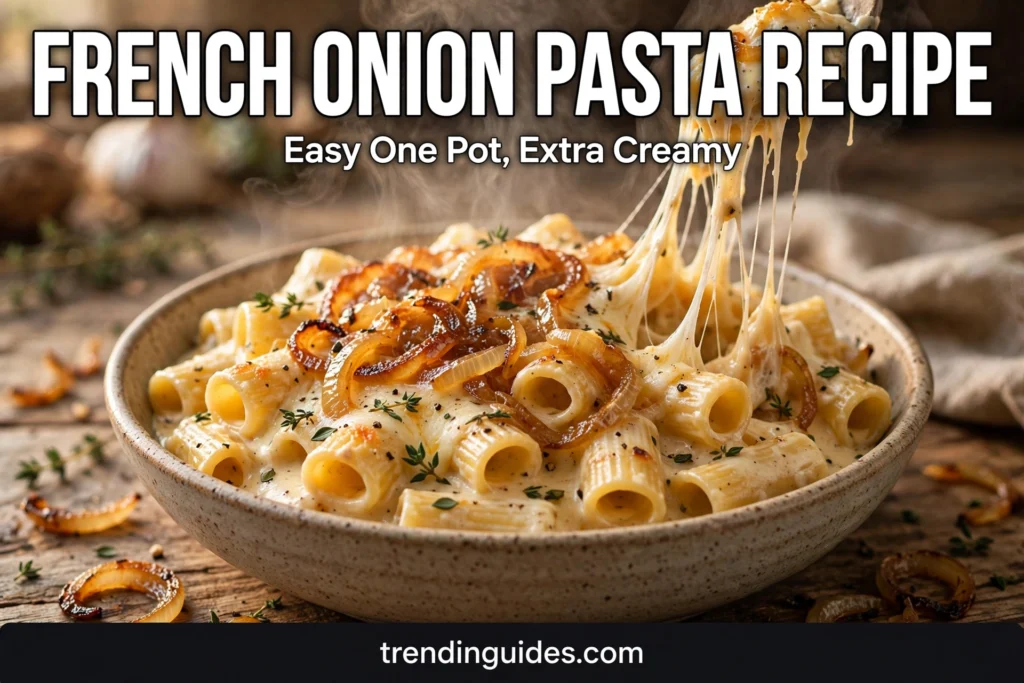

The french onion pasta recipe you are about to read turns classic French onion soup into a creamy one pot dinner. It takes about 45 minutes from start to finish, and it delivers every flavor you expect from the soup. You get sweet caramelized onions, rich beef broth, fresh thyme, and melted cheese in every single bite. The pasta cooks directly in the broth, so the starch thickens the sauce and the flavor runs deep through the whole dish.
This dish became famous on TikTok because it looks impressive but cooks like a simple weeknight meal. You need one pot, a handful of pantry staples, and a little patience while the onions turn golden and sweet. The result is a bowl of pasta that tastes like it simmered all day, even though it came together fast. Home cooks love it because it feels cozy and special without demanding advanced skills or rare ingredients.
In this guide you will learn which cheese melts best, which pasta shape holds the sauce, and how to build deep onion flavor without spending an hour at the stove. You will find four cooking methods, protein variations with chicken and ground beef, a vegan version, and exact no wine swaps with amounts. Troubleshooting tips show you how to fix thin sauce, clumped cheese, and bitter onions, and the FAQ section answers the most asked questions.
Why This Is the Best French Onion Pasta
The best french onion pasta recipe gives you real French onion soup flavor with the least work and the most options. This guide goes beyond the basic viral version. You get four cooking methods, a tested no wine swap table, a pasta shape guide that covers ditalini, protein variations, and a baked version with a broiled cheese crust.
Everything cooks in one pot, so the pasta starch thickens the sauce and no flavor goes down the drain. The onions need only 15 to 20 minutes instead of the hour that classic soup demands. A spoonful of brown sugar speeds the browning, and a splash of wine or an easy swap adds the brightness that balances the sweetness. Every section below answers a real question cooks ask, so you can get dinner right on the first try.
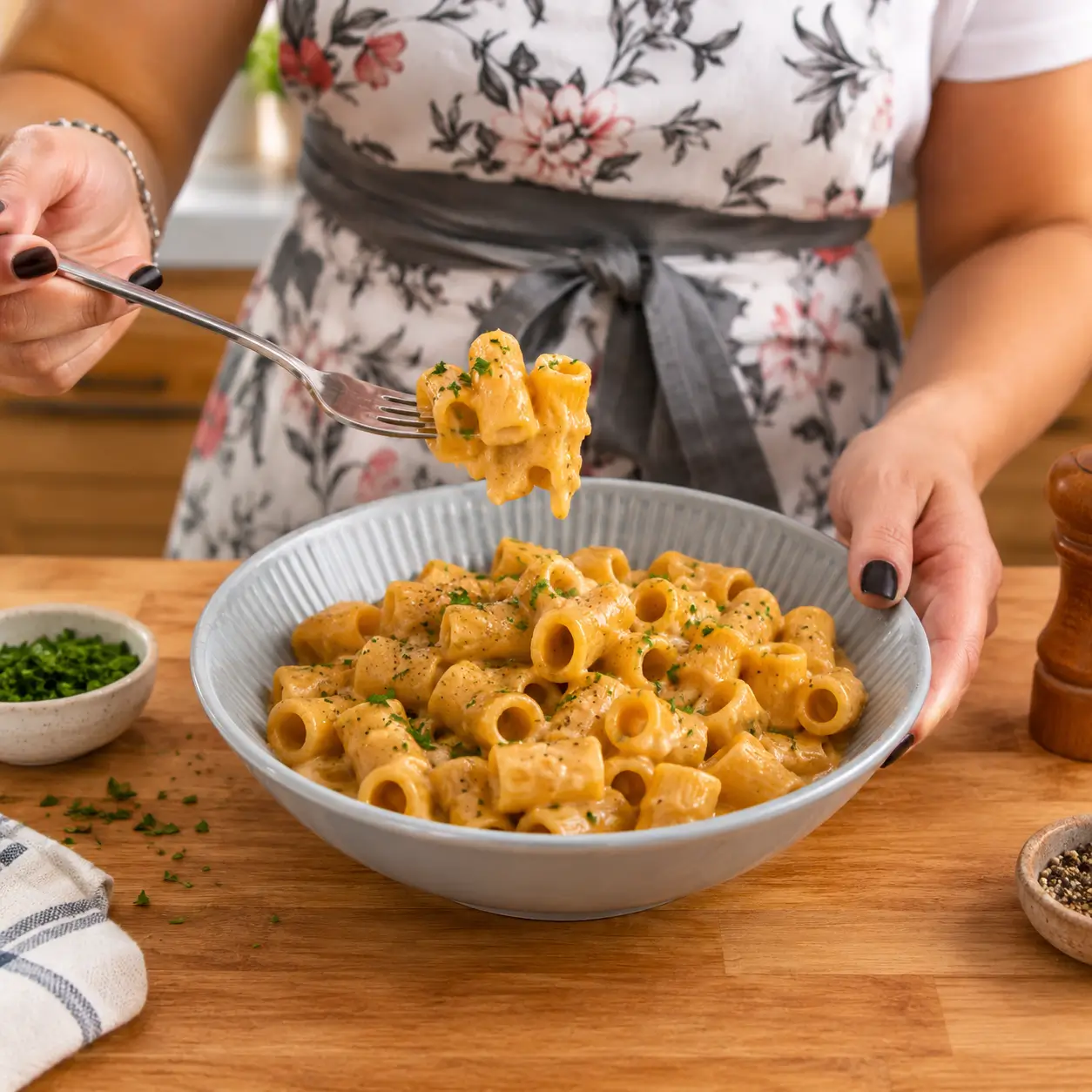
One-Pot French Onion Pasta
Ingredients
Equipment
Method
- Heat the butter and a drizzle of olive oil in a Dutch oven over medium to medium-high heat. Add the thinly sliced onions with a small pinch of salt.
- Cook the onions, stirring frequently so they don’t burn, until softened and golden with good color — about 15 to 20 minutes.
- Stir in the minced garlic and brown sugar and cook for 1 minute. (In the video she deglazes here with a splash of wine or sherry; you can use it or skip it.)
- Pour in the beef stock and heavy cream, add the garlic and herb seasoning and the thyme sprigs. Bring to a boil, then simmer for about 5 minutes.
- Add the pasta and cook until al dente, stirring now and then so nothing sticks.
- Taste and adjust the salt. Stir in a generous handful of freshly grated parmesan and lots of black pepper.
- Cook 2 more minutes, then turn off the heat. Cover with the lid and let it sit 5 to 10 minutes so the pasta absorbs the sauce and it turns creamy.
- Stir in more parmesan and the chopped parsley. Serve hot with extra cheese on the table.
Notes
- For a heartier one-pot meal, brown ground chicken, ground turkey, or ground beef in the pot first, then cook the onions in the same pot.
- The onions don’t need the full 45-minute soup-style caramelization — 15 to 20 minutes keeps this weeknight-friendly.
- The longer the pasta rests covered, the thicker and creamier the sauce gets.
What Is French Onion Pasta?
French onion pasta is a one pot dish that borrows every signature flavor of French onion soup and serves it over pasta. It starts with lots of thinly sliced onions cooked slowly in butter and olive oil until golden. Beef broth, thyme, and cream turn those onions into a savory sauce. Pasta cooks right in that sauce, and grated cheese melts through at the end.
The dish went viral on TikTok when short videos showed golden onions, bubbling broth, and the final cheesy pull. Home cooks loved that soup flavor could become a full meal with pasta, and food bloggers created their own versions with different cheeses, broths, and add ins. It suits a cozy family dinner, a casual dinner party, or any cold night that calls for something warm and filling.
Ingredients You Need to Know
The Best Cheese for French Onion Pasta
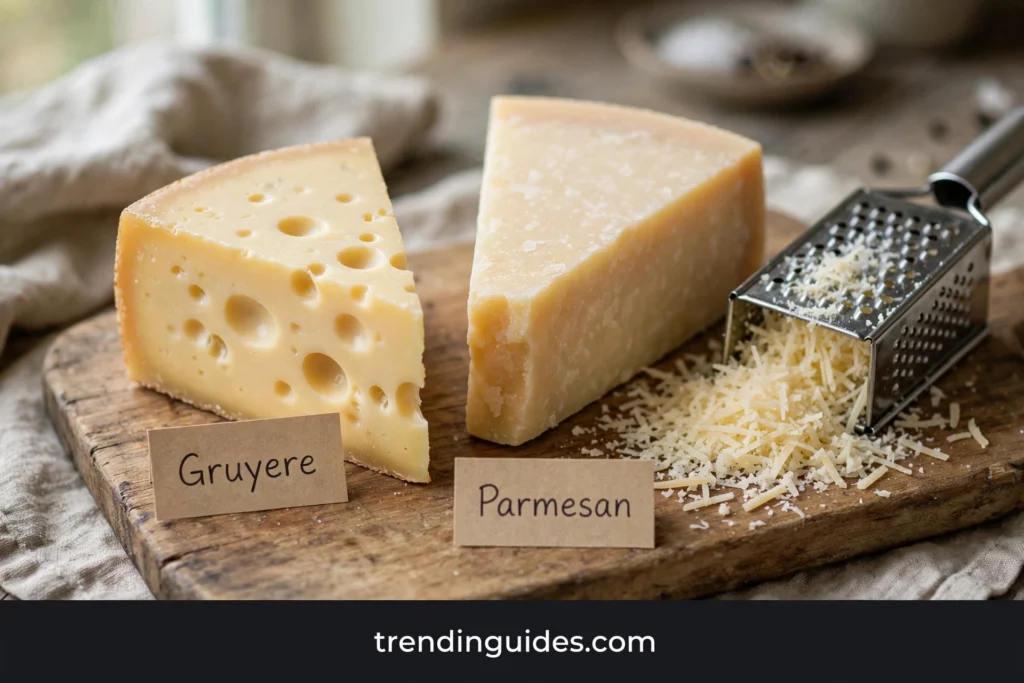
Gruyere cheese is the classic choice for French onion pasta because it melts smoothly and tastes nutty and rich. It is the same cheese that tops traditional French onion soup, so it keeps the flavor authentic. Buy a block and grate it fresh, because pre shredded cheese is coated to stop clumping and melts poorly. Add it off the heat and stir it in a handful at a time for the smoothest sauce.
Parmesan is the second key cheese in this recipe. It adds salty sharpness that balances the sweet onions and the rich cream. Freshly grated parmesan melts into the sauce and also works as a topping at the table. If you cannot find Gruyere, good swaps include Swiss cheese, fontina, mozzarella, or Emmental. Each one melts well and tastes mild enough to let the onion flavor shine through.
For the creamiest result, use both cheeses together. The Gruyere gives body and authentic flavor, while the parmesan adds the sharp finish. Taste the sauce before serving and add more cheese if you like it richer. There is no strict rule here, so adjust to your own taste and enjoy the process.
What Pasta Shape Is Best?
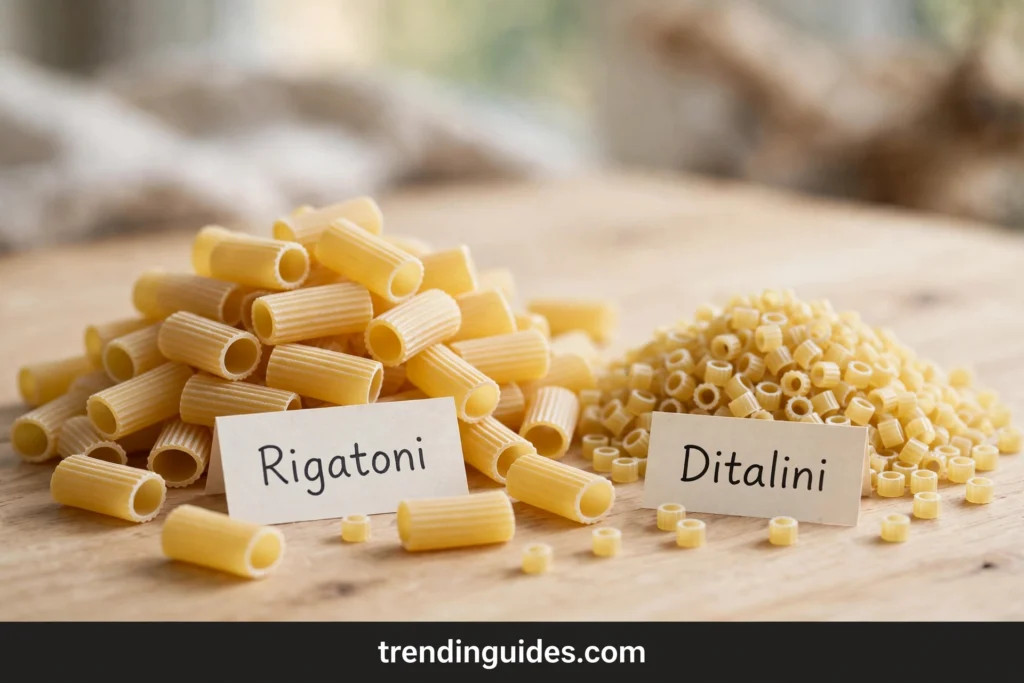
Short pasta shapes work best for French onion pasta because they catch the thick sauce in their curves and ridges. Rigatoni and mezzo rigatoni are excellent picks, since the ridges grab the creamy sauce and the tube shape holds little pockets of flavor. Orecchiette, shells, fusilli, and cavatappi work just as well, because their shapes trap sauce in every bite.
Ditalini is a hidden gem for this dish that almost no other recipe mentions. These tiny tubes cook fast and soak up the onion broth like little sponges. They make the dish feel hearty and comforting, almost like a cross between pasta and soup. If you want a version that feels extra cozy, try ditalini and reduce the cooking time by a couple of minutes since small pasta cooks faster.
Avoid long shapes like spaghetti or fettuccine for this recipe. They do not hold the chunky onion sauce well, and the dish loses its hearty character. Stick with short and sturdy shapes, cook them until just al dente, and remember they keep softening as the dish rests. The right shape makes every forkful balanced and satisfying.
Broth Options: Beef, Chicken or Vegetable
Beef broth is the traditional and most flavorful choice for French onion pasta. It gives the sauce its deep savory base and echoes the taste of real French onion soup. Use a good quality beef stock or broth, and choose low sodium if you want more control over the salt. The beef flavor pairs perfectly with the sweet onions and the nutty cheese.
Chicken broth is a fine substitute when beef is not available. It tastes lighter and lets the onion sweetness stand out more. Some cooks prefer it for a less heavy dish, and it works well when you add chicken as the protein. Vegetable broth keeps the dish vegetarian friendly, though the flavor will be milder. Add a spoonful of soy sauce or tamari to vegetable broth for extra depth.
No matter which broth you pick, taste the sauce before the pasta finishes cooking. Broths vary in saltiness, so season at the end rather than the start. A rich broth is the backbone of this dish, so pick the best one you can find.
Swaps for Cooking Without Wine
A splash of dry white wine adds brightness that balances the sweet onions and rich sauce. If you prefer to cook without wine, one tablespoon of white wine vinegar or sherry vinegar gives gentle acidity, while one tablespoon of lemon juice adds a fresh bright note. Apple cider vinegar brings mild tang, and half a cup of extra broth works when you want to skip acid entirely.
Add your chosen swap right after the onions turn golden, where the wine would go in. Let it bubble for a minute so the sharp edge cooks off and only brightness remains. Each option shifts the flavor slightly, so pick the one that matches your taste.
How to Make French Onion Pasta (4 Methods)
Method 1: Classic One Pot
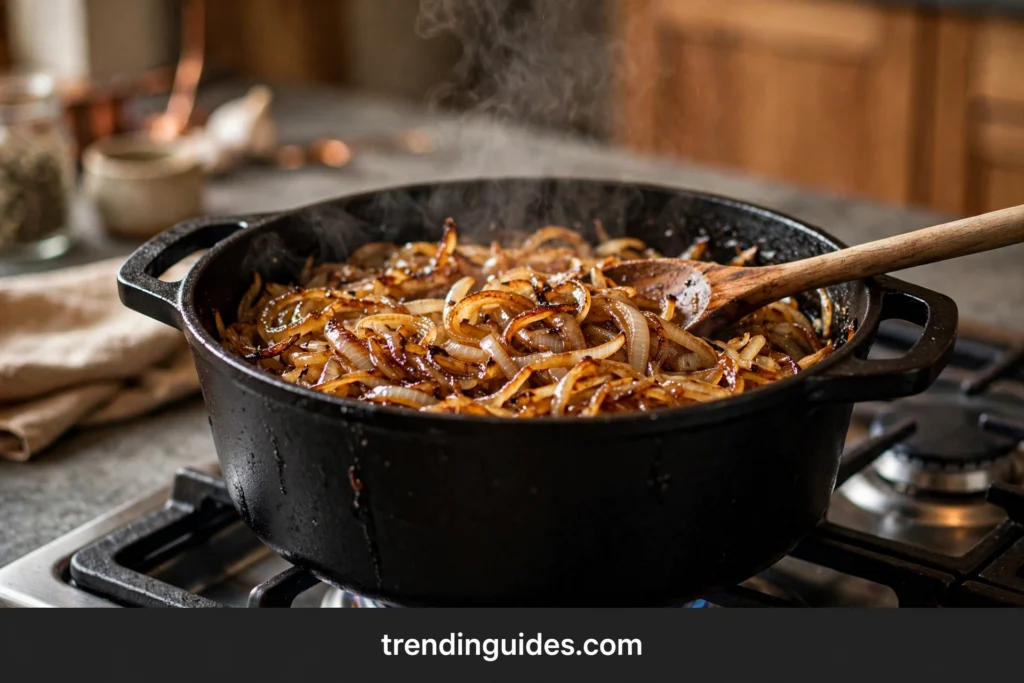
The classic one pot french onion pasta method cooks everything in a single Dutch oven from start to finish. Melt butter with olive oil over medium heat and add the thinly sliced onions with a pinch of salt. Cook them for 15 to 20 minutes, stirring often, until they turn deep golden and sweet. Stir in the garlic and brown sugar and cook for one more minute.
Pour in the beef broth and cream, add the thyme and seasoning, and bring it all to a boil. Add the pasta and cook until al dente, stirring now and then so nothing sticks to the bottom. Stir in the parmesan and plenty of black pepper, then turn off the heat. Cover with the lid and rest for 5 to 10 minutes so the sauce thickens. Stir in fresh parsley and more cheese, then serve hot.
The pasta starch thickens the sauce naturally, so there is no draining and no wasted flavor.
Method 2: Baked French Onion Pasta
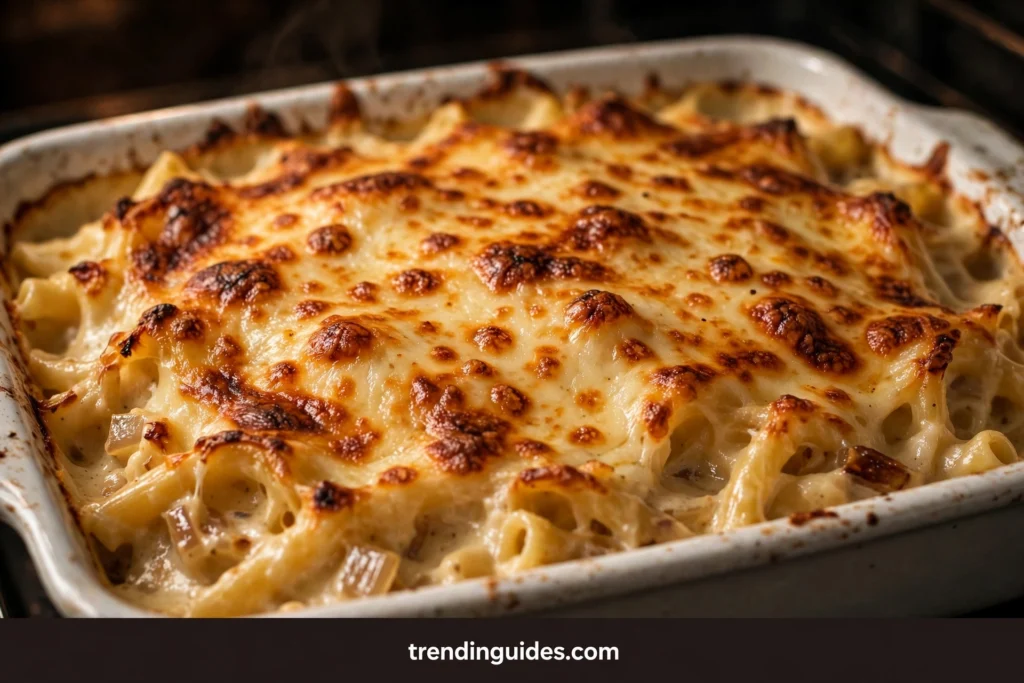
Baked french onion pasta takes the classic dish one step further with a golden broiled cheese crust. Cook the pasta using the classic one pot method, but stop just before the resting step. Transfer the pasta to a baking dish and top it generously with grated Gruyere and parmesan. Place it under a hot broiler for 3 to 5 minutes until the cheese bubbles and turns golden brown.
Watch it closely, because the cheese can go from golden to burnt in less than a minute. Let it rest for 5 minutes after broiling so the sauce settles. This method copies the famous cheese crust from French onion soup and adds a wonderful texture contrast. The top turns crisp and nutty while the pasta underneath stays creamy.
Serve it straight from the baking dish for a beautiful table presentation. This version is perfect for dinner parties or weekends when you want something a little more special.
Method 3: Shortcut Version with Store Bought Soup
The shortcut method uses store bought French onion soup as the flavor base, which cuts the cooking time in half. For the Campbell’s version, whisk two 10.5 ounce cans of condensed French onion soup with two cans of water in a Dutch oven. For the Trader Joe’s version, thaw one 24 ounce tub of frozen French onion soup and add two cups of beef broth. Bring to a simmer, then stir in half a cup of cream, fresh thyme, and seasoning to taste.
Add one pound of pasta directly to the simmering soup and cook until al dente, adding a splash of water if the pot looks dry. The soup already contains caramelized onion flavor, so you skip the 20 minute onion step entirely. Stir in the cheeses off the heat and rest the dish covered for a few minutes. Finish with parsley and extra cheese at the table.
This method is ideal for nights when you crave the flavor but have no time for slicing and caramelizing onions. The result is surprisingly close to the from scratch version. Keep cans or a tub of soup on hand for an easy backup dinner.
Method 4: Make Ahead Onion Base
The make ahead method lets you do the long onion step in advance so dinner comes together in minutes. Slice a large batch of onions and caramelize them slowly in a Dutch oven with butter, olive oil, and salt. This can take 30 to 40 minutes, but you only do it once. Let the onions cool completely, then store them in the fridge for up to 4 days or in the freezer for up to 2 months.
When you are ready to cook, warm the onion base in a Dutch oven and continue with the classic method from the broth step. Add the broth, cream, thyme, and pasta, then finish with cheese as usual. The deep flavor is already built, so the whole dish takes about 20 minutes. Freeze the onion base in portion sized containers for the easiest future meals.
This method is perfect for meal prep and busy weeks. One batch of onions can become two or three dinners. It also works beautifully for entertaining, because the hardest step is already done before guests arrive.
Tips and Troubleshooting
The secret to good French onion pasta is patience with the onions plus the right finishing moves. Cook the onions over steady medium heat and stir them often so they turn golden without burning. Salt them early to draw out moisture, and add a spoonful of brown sugar to deepen the color. Deglaze the pot with wine, sherry, or vinegar to lift the tasty browned bits from the bottom. These small steps build layers of flavor that make the dish taste slow cooked.
If the sauce turns too thin, let the pasta rest covered for a few extra minutes, because the starch keeps thickening it as it sits. If the sauce turns too thick, stir in a splash of warm broth until it loosens. If the cheese clumps, you likely added it over high heat, so always stir cheese in off the heat and add it gradually. If the onions taste bitter, they cooked too hot or too fast, so lower the heat and give them more time next round.
Taste as you go, because broth, cheese, and salt vary by brand. A squeeze of lemon or a splash of vinegar at the end brightens the whole dish.
French Onion Pasta Variations
With Chicken
Adding chicken turns this dish into a complete protein packed meal. Use boneless chicken breast or thighs cut into small bite sized pieces. Sear the chicken in the Dutch oven first until golden, then remove it and set it aside. Cook the onions in the same pot so they pick up the tasty browned bits left behind. Return the chicken when you add the broth so it finishes cooking with the pasta.
Rotisserie chicken is an even faster option for busy nights. Shred the meat and stir it in during the last 5 minutes of cooking, just long enough to warm through. The chicken soaks up the onion broth and tastes like it cooked in the sauce all along. This version pairs well with chicken broth instead of beef broth for a lighter flavor. It is a great way to stretch one dish into a hearty family dinner.
With Ground Beef
French onion pasta with ground beef is a rich and filling variation that meat lovers adore. Brown one pound of ground beef in the Dutch oven first, breaking it into small crumbles. Drain off most of the fat, then cook the onions in the same pot with a little butter. The beef adds deep savory flavor that blends perfectly with the sweet onions.
Continue with the classic method from the broth step, using beef broth to match the meat. The pasta cooks in the beefy sauce and absorbs all that richness. Finish with extra cheese, because beef and melted cheese are a natural match. This version tastes like a cross between French onion soup and a cozy beef pasta bake.
It is also budget friendly, since ground beef costs less than most other proteins. One pot feeds a crowd, and leftovers reheat beautifully. If your family likes bold meaty dinners, this variation will become a regular request.
Vegan French Onion Pasta
A vegan version of this dish is absolutely possible and still tastes rich and comforting. Use olive oil instead of butter and vegetable broth instead of beef broth. Caramelize the onions the same way, then add a spoonful of soy sauce or tamari for the deep savory flavor that beef broth normally provides. Use an unsweetened plant based cream made from oats or cashews for the creamy texture.
For the cheese, use a vegan parmesan style product or a sprinkle of nutritional yeast. Add it off the heat just like dairy cheese. The result is a silky onion sauce that coats the pasta beautifully. Finish with fresh thyme and parsley for color and freshness.
This version proves that smart swaps can keep all the comfort with none of the dairy. Serve it to vegan guests with confidence, because the onion flavor carries the whole dish. Even non vegan eaters will enjoy how satisfying it tastes.
Famous Versions Compared
Several well known cooks have their own take on this dish, and the differences help you pick your favorite style. The TikTok original keeps things simple with basic pantry ingredients and a fast one pot method. One popular TikTok version roasts the onions in the oven with pancetta and finishes with broiled Gruyere for deeper flavor. Half Baked Harvest leans rich and cozy with extra herbs and a generous cheese blend. Southern Living stays classic with traditional French onion soup seasoning and careful technique.
All versions agree on the basics: caramelized onions, savory broth, pasta cooked in the sauce, and melted cheese. They differ in extras like mushrooms, spinach, or a crispy onion topping. Use these famous versions as inspiration, then adjust this recipe to match your own taste.
UK Kitchen Notes
Cooks in the UK can make this recipe with easy local swaps. Use double cream instead of heavy cream, since it is the standard pouring cream in British shops. Measure the broth in milliliters, with 4 cups equal to about 950 milliliters. Use a good beef stock cube or stock pot dissolved in hot water if fresh stock is hard to find.
Gruyere is widely available in UK supermarkets, often in the specialty cheese section. If the price feels high, a mature cheddar mixed with parmesan gives a tasty local twist. Pasta shapes like rigatoni are easy to find, and ditalini appears in the world foods aisle of larger stores. The method stays exactly the same no matter which country you cook in.
What to Serve with French Onion Pasta
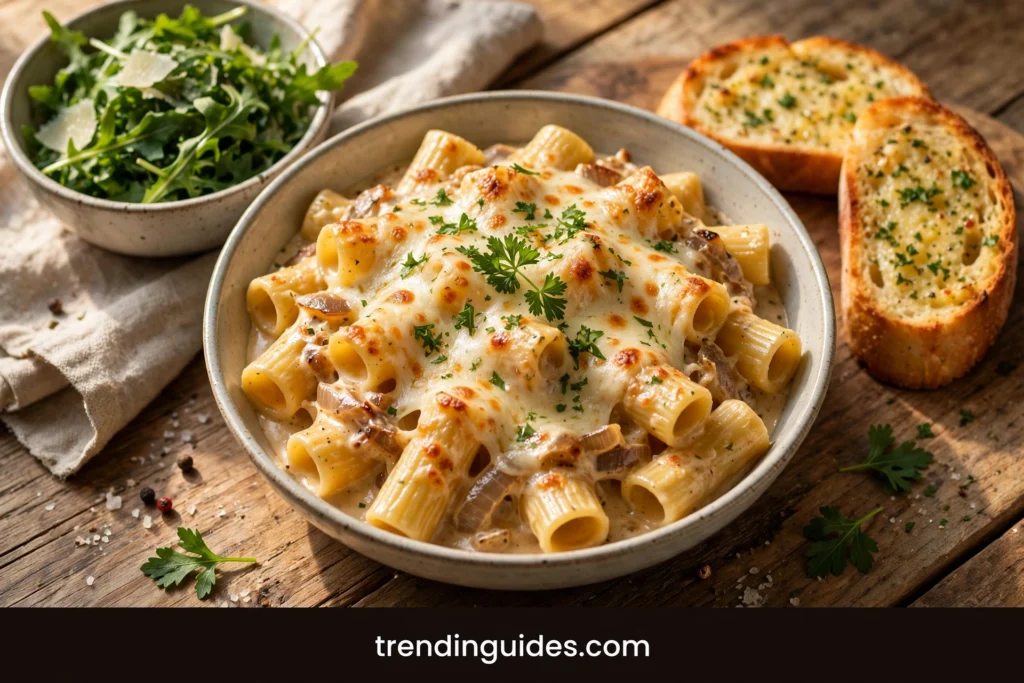
This dish is rich and filling, so fresh and simple sides balance it best. A crisp green salad with lemon dressing cuts through the creaminess and adds brightness. Arugula with shaved parmesan and a light vinaigrette is a perfect match. A classic Caesar salad also works well for a heartier side.
Warm bread is almost required for scooping up the extra sauce. Serve garlic bread, a crusty baguette, or soft dinner rolls on the side. Roasted vegetables like green beans, asparagus, or broccoli add color and freshness to the plate. For drinks, sparkling water with lemon keeps things light, while apple cider pairs nicely with the sweet onions.
Keep the sides simple and let the pasta stay the star. Two sides are plenty for a complete meal. This balance keeps dinner satisfying without feeling too heavy.
Storage and Reheating
Store leftover French onion pasta in an airtight container in the fridge for 3 to 4 days. The pasta will absorb more sauce as it sits, so it may look thicker the next day. This is normal and the flavor actually deepens overnight. Add a splash of broth or water when reheating to bring back the creamy texture.
Reheat gently on the stove over medium low heat, stirring often until warmed through. The microwave also works for single portions, though the texture is best from the stove. Avoid high heat, because it can make the cheese separate and turn oily. Stir well after reheating to bring the sauce back together.
You can freeze this pasta for 2 to 3 months, though the texture of the cream sauce may change slightly. Freeze it before adding fresh herbs, then stir in fresh parsley after reheating. Thaw overnight in the fridge for the best result. Label the container with the date so you remember when you made it.
Frequently Asked Questions
What is the secret to good French onion pasta?
The secret is slow caramelized onions plus the right finishing technique. Cook the onions over medium heat until deep golden, use a rich beef broth, and stir the cheese in off the heat so it melts smoothly. A short rest with the lid on thickens the sauce perfectly.
How do you make French onion pasta?
Caramelize sliced onions in butter and oil, add garlic and brown sugar, then pour in beef broth and cream with thyme. Cook the pasta directly in the broth until al dente. Stir in parmesan and pepper off the heat, cover and rest for 5 to 10 minutes, then serve with fresh parsley.
What kind of pasta is best for French onion?
Short shapes like rigatoni, orecchiette, shells, and fusilli work best because they trap the thick sauce. Ditalini is an excellent lesser known choice that soaks up the broth beautifully. Avoid long pasta like spaghetti, which does not hold the chunky sauce well.
What goes with French onion pasta?
Fresh sides balance the richness best. Serve it with a crisp green salad, garlic bread or baguette, and roasted vegetables like green beans or broccoli. Sparkling water with lemon or apple cider makes a refreshing drink pairing.
Can I make it without wine?
Yes, and it still tastes great. Replace the wine with a tablespoon of white wine vinegar, sherry vinegar, or lemon juice. You can also skip the acid entirely and add a little extra broth instead.
Which onions should I use?
Yellow onions are the best choice because they turn sweet and golden when cooked. Sweet onions also work well. Avoid red onions, which can taste sharp and turn an odd color in the sauce.
Can I freeze French onion pasta?
Yes, freeze it for 2 to 3 months in an airtight container. The cream sauce may change texture slightly, so stir well after reheating and add a splash of broth. Add fresh herbs only after reheating.
Conclusion
This french onion pasta recipe turns one pot and 45 minutes into deep slow cooked flavor. Sweet caramelized onions, savory beef broth, and melted cheese do all the work, and the four methods in this guide cover every schedule, from the classic one pot to the baked cheese crust to the fastest shortcut.
Remember the keys to success: take your time with the onions, cook the pasta in the broth, add cheese off the heat, and let the dish rest before serving. Try the chicken or ground beef variation for extra protein, or keep it classic for pure comfort.
Now it is your turn. Grab your onions, pick a short pasta shape, and enjoy every creamy bite. Serve it with a crisp green salad and warm bread to balance the richness. If you loved this recipe, leave a rating and share it with someone who loves cozy dinners.