


Yes, you can add an egg to packet ramen, and most methods add about two extra minutes. One egg turns a plain bowl of noodles into a meal with real protein, a silky broth, and a richer taste. You need no special tools or skills, and most methods use one pot. You only need hot broth, a fresh egg, and the right timing.
Home cooks around the world make packet ramen with egg because it is cheap, fast, and filling. Brands like Nongshim Shin Ramyun, Nissin, Indomie, Maggi, and Knorr all work well. The egg can poach in the pot, melt into the broth as soft ribbons, sit on top as a jammy half, or cook in the microwave. Each method gives a different texture, so you can pick the one that fits your mood and your kitchen.
This guide explains seven easy methods and the exact timing for each one. You will learn how to add an egg to ramen in the microwave and how long a raw egg needs in hot broth. You will also get clear food safety rules from the USDA and FDA. If you live in Pakistan, you will find tips on local packet ramen brands and desi add ins. Common mistakes like rubbery whites and mushy noodles get simple fixes too.
Each method lists its own timing, so a simple kitchen timer gives you the same good result every time. Read on for the short answer and the exact timing.
Can You Add an Egg to Instant Ramen?
The short answer is yes, and it comes down to heat and timing. Here is why the method works, how to crack the egg in safely, and why the pairing is a classic.
Yes, and Here Is Why It Works
Yes, an egg works in instant ramen because hot broth cooks it in a few minutes. The egg white sets first, and the yolk thickens more slowly. A pot at a gentle boil, or a covered pot that just came off the burner, holds enough heat to cook the egg. Instant noodles are thin and cook fast, so the egg and the noodles finish at nearly the same time. The egg also adds protein, which plain noodles lack. One large egg has about 72 calories and 6 grams of protein, according to USDA FoodData Central. The yolk also gives the broth a rounder, richer taste.
Can You Just Crack an Egg Straight into Ramen?
Yes, you can crack an egg straight into ramen, but the heat and timing decide the result. Crack the egg into a small bowl first, so you can check for shell pieces and slide it in gently. Add it to broth that is at a gentle boil. Do not stir right away, because the egg needs a moment to set. Cover the pot, turn off the heat, and wait about 1 minute for a soft set or up to 4 minutes for a firmer egg. A hard rolling boil makes the whites tough, so keep the heat low once the egg is in. Lukewarm broth will not cook the egg, so always start with very hot liquid.
Are Ramen and Eggs Good Together?
Ramen and eggs are a classic pair because the egg balances the salty, spicy broth. Japanese ramen shops serve soft boiled eggs with soy sauce marinades in many bowls, so the pairing has deep roots. A creamy yolk softens the heat of spicy packets like Shin Ramyun. The white adds a clean, mild taste between bites of salty noodles. Chef Jet Tila recommends adding an egg to cup ramen for a restaurant style bowl. Parade notes that the yolk thickens the broth as it cooks. The egg also makes the meal more filling, which helps when ramen is your main dish.
Quick Look at the 7 Methods
Each method below gives a different texture, and all of them start with a standard packet of instant ramen. Use this list to choose the one that fits your time and your taste.
- Poached in the broth: soft set whites and a creamy yolk, ready in about 2 minutes after the egg goes in.
- Egg drop ribbons: thin, silky strands of egg, ready in about 1 minute.
- Creamy stirred egg: a thick, cloudy broth, ready in about 1 minute.
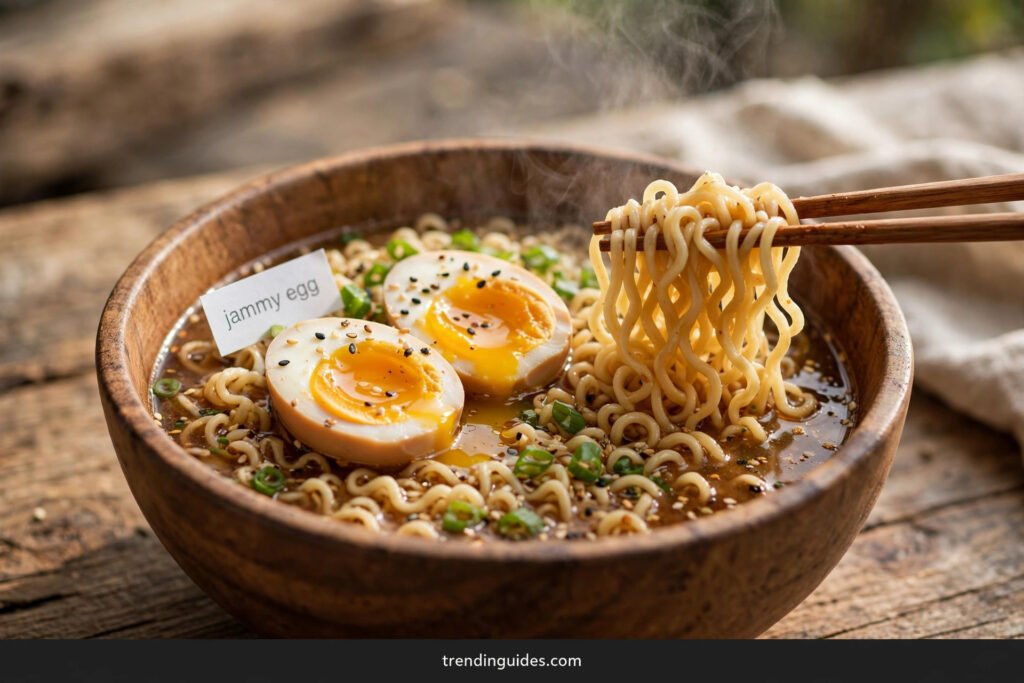
- Soft boiled or jammy egg: cooked in a separate pot for 6 to 7 minutes.
- Fried egg on top: crispy edges and a runny yolk, ready in about 3 minutes.
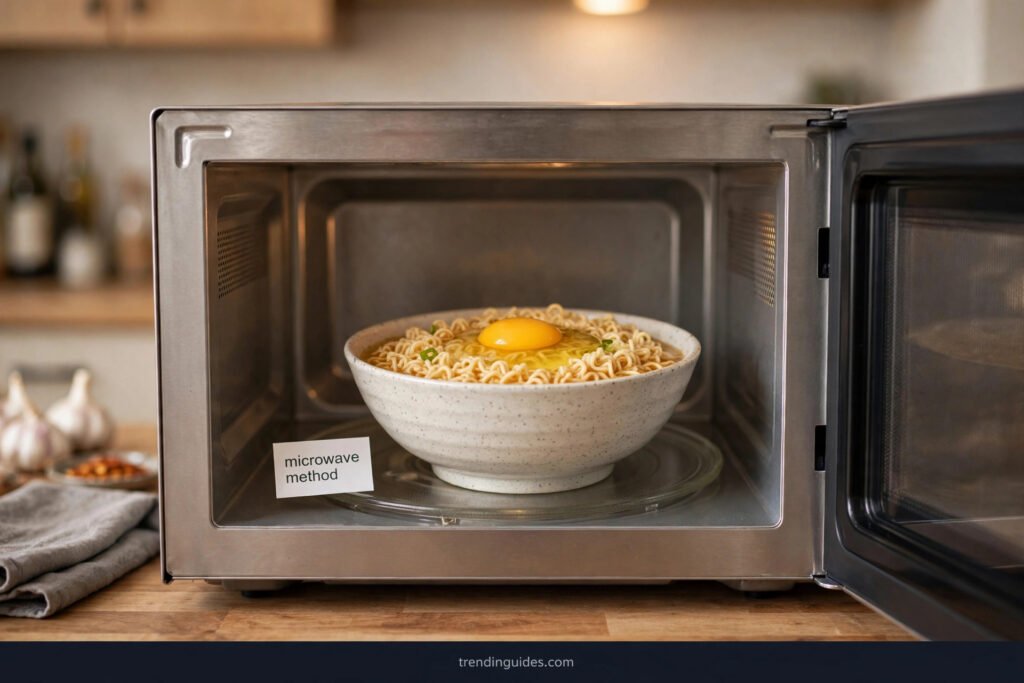
- Microwave egg: one bowl, ready in about 5 minutes.
- Microwave steamed egg: a fluffy egg dish made from leftover broth, ready in 3 to 5 minutes.
7 Ways to Make Packet Ramen with Egg
Each method below starts with the same packet and one egg, but the texture turns out different every time. Pick the one that fits your mood and follow its timing.
Method 1: Poached Egg in the Broth

Poaching the egg right in the pot is the easiest way to make packet ramen with egg. Boil the noodles until they are slightly firm, then push them to the sides of the pot. Slide the egg into the hot broth, and drape a few noodles over it if you like. Let the pot return to a gentle boil for 30 to 45 seconds. Cover it, turn off the heat, and let it rest for 30 seconds to 1 minute. Some cooks, like those at Framed Cooks, let the covered pot sit for 4 minutes for a firmer set. Lift the egg out with a slotted spoon, set it on top of the noodles, and serve right away.
Method 2: Egg Drop Ribbons
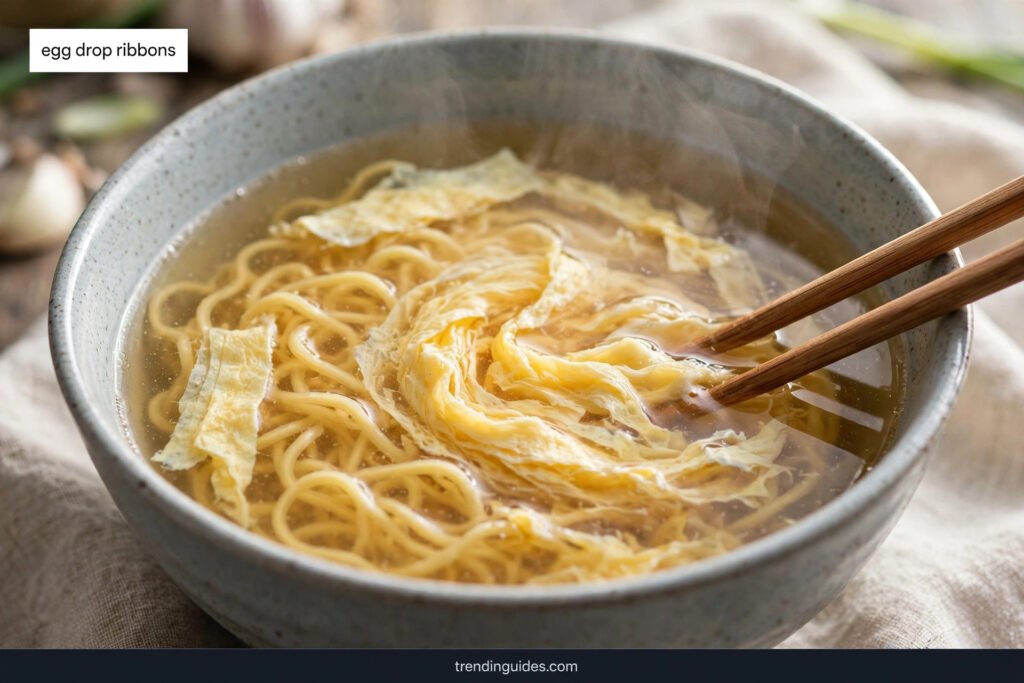
Egg drop ramen gives you thin ribbons of egg floating in the broth, much like Chinese egg drop soup. Beat the egg until no streaks of white or yolk remain, as Andy Cooks advises. Bring the broth to a simmer once the noodles are almost done. Pour the egg in a slow, thin stream without stirring, and it sets in delicate sheets. Cover the pot and take it off the heat. Wait about 30 seconds to 1 minute before serving. Chef Maricel Gentile warns that the broth must stay hot, because cool broth stops the egg from setting well.
Method 3: Creamy Stirred Egg
The creamy method turns the broth thick, cloudy, and silky. Beat the egg well, then pour it into the broth while stirring constantly. The movement blends the egg into the liquid instead of letting it form ribbons. Andy Cooks notes that this version makes the soup noticeably thicker than the ribbon method. Cover the pot and take it off the heat right after the egg goes in. A small knob of butter adds extra richness. Foodie suggests mixing the egg with a spoon of mayonnaise and a little hot broth first, which helps the egg blend without curdling.
Method 4: Soft Boiled or Jammy Egg on Top
A soft boiled egg is the classic ramen shop topping, and you can make one at home in about 7 minutes. Boil the egg in a separate pot for 6 to 7 minutes for a jammy yolk, depending on its size. Move it into cold water right away to stop the cooking. Peel it under the cold water, then slice it in half. Place it on top of the hot noodles just before you eat. Chef Rachael Ray uses a jammy egg because the soft yolk melts into the broth. For extra flavor, soak the peeled egg in a mix of soy sauce and water for 30 minutes.
Method 5: Fried Egg on Top
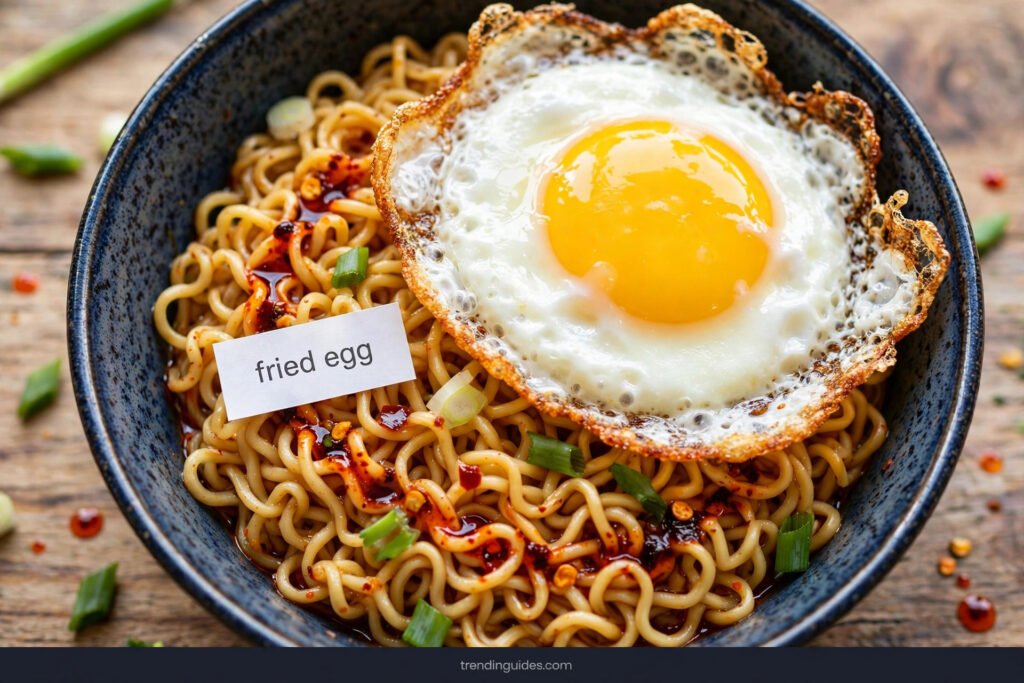
A fried egg adds crispy edges and a runny yolk that works like a sauce. Heat a small pan with butter or oil over medium heat. Crack in the egg and cook it for 2 to 3 minutes for a sunny side up egg. Cover the pan for 30 seconds if you want the whites fully set. Slide the egg onto the noodles. Sweet Phi compares a buttery, parmesan topped ramen with a sunny side up egg to a ramen carbonara. Break the yolk with your chopsticks and stir it through the noodles.
Method 6: Microwave Ramen with Egg
You can make ramen in the microwave with an egg using only one bowl. Place the noodles, the seasoning, and the water listed on the packet into a large, microwave safe bowl. Microwave on high for about 2 to 3 minutes, until the noodles soften. Crack the egg on top and pierce the yolk gently with a fork so it does not burst. Cover the bowl and microwave for 1 to 2 minutes more, or until the white is fully set. Add time in 20 to 30 second steps, because every microwave heats differently. Let the bowl stand for a minute, then stir and serve.
Method 7: Microwave Steamed Egg in Leftover Broth
This method turns leftover broth into a fluffy, airy egg dish. Pour the leftover ramen broth into a microwave safe bowl. Add two eggs and whisk them with a fork until smooth. Cover the bowl with a paper towel or a lid. Microwave on high for 3 minutes, then check the texture. Cook up to 5 minutes for a firmer set, as Lee Kum Kee recommends. A few drops of sesame oil or a squeeze of sriracha adds flavor. Serve it next to your noodles as a protein rich side.
When to Add the Egg and How Long to Cook It
When you add the egg matters as much as how you cook it. Here is the right moment for each method, how long a raw egg needs in hot broth, and how to get a soft, medium, or firm yolk.
The Best Moment to Add the Egg for Each Method
The right moment to add the egg depends on the method. For a poached egg, add it after the noodles boil for 1 to 2 minutes and start to loosen. For egg drop ribbons, pour the beaten egg into simmering broth once the noodles are almost done. For the microwave method, add the egg after the noodles soften. Soft boiled and fried eggs cook separately, so they go on top at the end. Bite My Bun suggests adding the egg about 4 minutes into the cooking time and letting it poach for 2 to 3 minutes, which works well for a firmer set. Chef Maricel Gentile warns that adding the egg too late lets the broth cool, and then the egg does not set well. Always add the egg while the broth is still steaming hot.
How Long Can a Raw Egg Stay in Instant Ramen?
A raw egg needs about 1 to 4 minutes in very hot broth to set. Cook it until the white is fully firm and no clear liquid remains. The exact time depends on the broth temperature, the pot size, and the egg temperature. A cold egg from the refrigerator needs a little longer than a room temperature egg. Do not leave a raw egg in lukewarm broth, because it will not heat enough to cook. If the broth stops steaming, put the pot back on low heat for a minute. Eat the bowl as soon as the egg is done, since the noodles soften quickly.
How to Get Soft, Medium, or Firm Eggs
You control the yolk by changing how long the egg sits in the hot broth. For a soft yolk, simmer the egg for 30 to 45 seconds, then cover the pot off the heat for about 30 seconds. For a medium yolk that is creamy but not runny, rest the covered pot for about 1 to 2 minutes. For a firm yolk, let the covered pot sit for 3 to 4 minutes. Lift the egg with a spoon to check; a set white should wobble very little. Larger eggs need a bit more time than small ones. The USDA advises cooking eggs until the yolks are firm, so choose the firmer setting if safety is your top concern.
How to Add Egg to Ramen in the Microwave
The microwave needs a slightly different routine than the stovetop, plus a few safety habits. Here is the exact timing, how to handle cup noodles, and how to avoid bursts and boil overs.
Microwave Timing Guide for Packet Ramen
Most microwave ramen with egg takes 5 minutes or less from start to finish. Cook the noodles with the seasoning for 2 to 3 minutes, then add the egg. A set white needs 1 to 2 minutes more, and a firm yolk needs the full 2 minutes. For egg drop style, SpeedyRecipe suggests 45 seconds to 1 minute after you pour in the beaten egg. Higher wattage ovens heat faster, so start with the shortest time. Add 20 to 30 seconds at a time until the white is set. Always use a bowl big enough to prevent boil overs.
Cup Noodles with Egg
Cup noodles take an egg well with one small change to the routine. Peel the lid back, remove the flavor packet, and pour boiling water up to the line. Chef Jet Tila adds the egg right away, pushes it under the noodles with chopsticks, and covers the cup. He waits 2 to 3 minutes, then breaks the yolk and stirs it into the broth. If the white still looks clear after that time, cover the cup for another minute. For the microwave, pour everything into a bowl, heat it, then add the egg and heat 1 to 2 minutes more. Check the label first, because many instant cups are not made for the microwave.
Microwave Safety Tips
Always pierce the yolk, because a whole yolk can burst when steam builds inside it. Cover the bowl with a microwave safe lid or a paper towel to stop splatter. Use a bowl at least twice the size of the food so the broth does not boil over. Wear oven mitts, since the bowl gets very hot. Let the dish stand for a minute or two after cooking so the heat spreads evenly. FDA retail guidance says to heat egg dishes in the microwave to 165°F and let them stand covered for 2 minutes. A digital food thermometer is the best way to confirm that temperature.
Is Egg in Instant Ramen Safe?
Eggs are safe in ramen as long as they reach the right temperature. Here are the temperatures to aim for, who should skip runny yolks, and how to store eggs so they stay fresh.
Safe Cooking Temperatures
The safest egg in ramen is one cooked until both the white and the yolk are firm. The USDA says to cook eggs until yolks are firm and to heat egg dishes to 160°F. At home, a food thermometer reading of 160°F means the egg dish is safe. FDA retail guidance also sets 165°F for eggs cooked in the microwave, followed by 2 minutes of standing time. A soft yolk carries a small Salmonella risk, because the bacteria can live in the yolk, the white, or on the shell. Use fresh, refrigerated, uncracked eggs if you choose a soft set. A food thermometer takes the guesswork out of every method in this guide.
Who Should Avoid Runny Yolks
Infants, young children, older adults, pregnant women, and people with weakened immune systems should eat eggs only when both the white and the yolk are firm. The USDA lists these groups as especially vulnerable to Salmonella infections. For them, choose a hard boiled egg or let the egg simmer in the broth until the yolk sets. Microwave egg dishes should reach 165°F. Everyone else should know that the USDA advises against eating raw or undercooked yolks and whites. Wash your hands, bowls, and utensils with hot, soapy water after touching raw eggs. Ask a doctor or dietitian if you are unsure whether runny eggs fit your health needs.
Egg Storage and Freshness Tips
Store eggs in their carton in the refrigerator at 40°F or below. Place them on a shelf instead of the door, where the temperature changes more. Raw eggs in the shell keep for 3 to 5 weeks in the refrigerator, according to the USDA. Never leave refrigerated eggs out for more than 2 hours. Do not wash eggs at home, because the wash water can pull bacteria through the shell pores. Buy eggs with clean, uncracked shells from a refrigerated case. Crack each egg into a small bowl first, and throw it out if it smells bad or has a pink or shimmering white.
Best Packet Ramen for Egg Recipes
Almost any packet works with egg, but the broth style decides which method shines. Here are the best picks from Korean, Japanese, Indonesian, and Pakistani brands.
Korean Picks: Shin Ramyun, Shin Black, and Samyang
Nongshim Shin Ramyun is a top choice for packet ramen with egg because its spicy broth stands up to extra ingredients. Nongshim has made Shin Ramyun in South Korea since October 1986, and the brand ships to over 100 countries. Shin Ramyun Black has a richer, rounder broth, and Andy Cooks uses it for his egg recipes. Both packets cook in about 4 to 5 minutes, which gives you time to add the egg. Samyang Buldak Original is a dry, extra spicy noodle that pairs best with a fried egg on top. Choose a packet with separate seasoning sachets, because they let you add half the seasoning and taste the broth first. A creamy yolk is the best way to tame the heat of any spicy Korean packet.
Japanese and Indonesian Picks: Nissin, Maruchan, and Indomie
Nissin invented instant noodles, and Momofuku Ando first sold them on August 25, 1958, under the name Chikin Ramen. Nissin Top Ramen and Maruchan Chicken are classic, budget friendly packets that cook in about 3 minutes. Their mild chicken and soy flavors let the egg stand out. Indomie, made by Indofood in Indonesia, is famous for Mi Goreng, a stir fried noodle that pairs naturally with a fried egg. Mi Goreng has no soup, so use the fried egg method instead of poaching. For soupy Indomie flavors like chicken or soto, the poached and egg drop methods work well. Pick the packet that matches the egg style you want, and your bowl will taste better.
Packet Ramen in Pakistan: Maggi, Knorr, and Shoop
Maggi, made by Nestlé, is one of the most popular instant noodle brands in Pakistan. Knorr, made by Unilever, also sells instant noodles in Pakistan, and Shoop by Shan Foods has been made in Pakistan since 2012. Many Pakistani packets come with a masala style seasoning that is already spicy and bold. For these packets, the egg drop and poached methods give a creamy contrast to the spice. Taste the broth before you add all of the seasoning, because some packets are quite salty. Check larger supermarkets and online stores for imported brands such as Indomie and Nongshim Shin Ramyun. Adding an egg to any of these packets makes the meal more filling for very little extra cost.
Tasty Add Ins to Level Up Your Ramen Egg Bowl
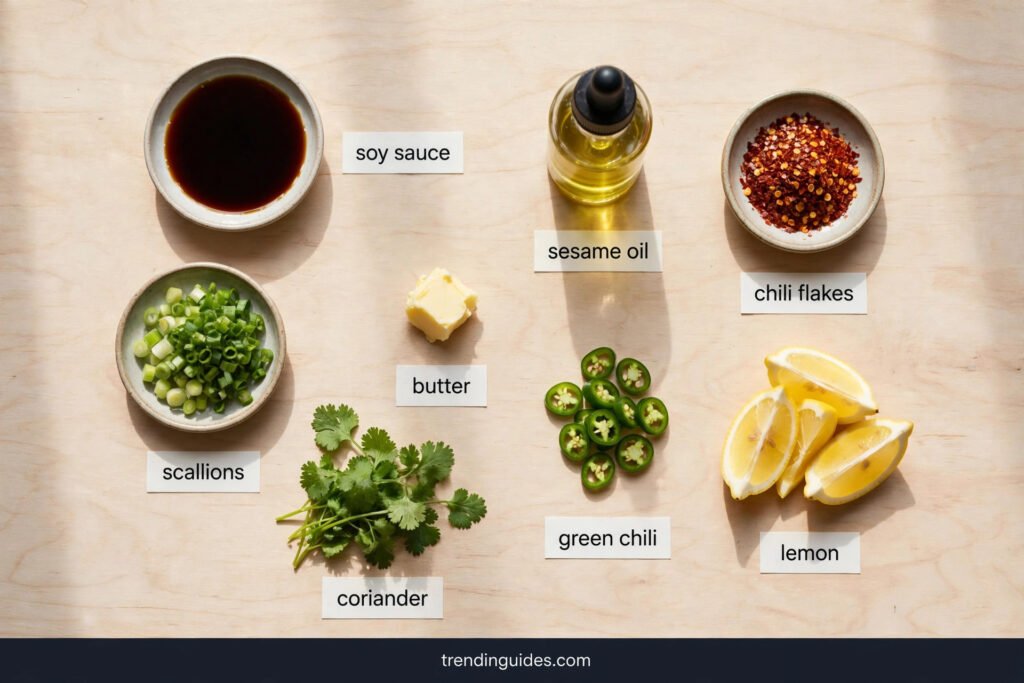
The egg is only the start. These simple add ins build flavor, creaminess, and extra nutrition around it, from pantry staples to desi twists.
Quick Flavor Boosters
A few pantry items can lift a plain ramen egg bowl in seconds. Soy sauce, sesame oil, chili flakes, and chopped scallions are the most common choices. Bite My Bun suggests half a teaspoon of miso paste, dashi, mirin, or soy sauce to deepen the broth. A squeeze of fresh lemon or lime juice adds a bright taste that balances the rich yolk. Garlic and a pinch of brown sugar create a savory, slightly sweet finish. Add these extras at the end so the heat does not dull their flavor. Taste the broth first, because the seasoning packet already contains plenty of salt.
Creamy Add Ins
Butter and cheese turn ramen with egg into a rich comfort meal. Chef Roy Choi made the combination of eggs, butter, noodles, and melted cheese famous, and Bite My Bun notes that it tastes like mac and cheese. Framed Cooks uses 2 slices of American cheese and 1 tablespoon of butter for one packet. Parmesan adds a salty, nutty bite, and Sweet Phi pairs it with a sunny side up egg. Brie works too, according to Tasting Table, because small chunks melt into the broth. Stir these in before the egg goes in, so the cheese melts fully. Keep the portions small, because cheese adds more sodium on top of the seasoning packet.
Protein and Veggie Add Ins
Extra protein and vegetables make a packet of ramen a balanced meal. Jet Tila adds leftover rotisserie chicken and scallions to his egg ramen. Spam, cubed and fried until golden, is another popular choice. Tofu works well for vegetarian bowls, and kimchi adds a tangy, spicy crunch. Frozen mixed vegetables cook right in the pot, so they need no extra prep. Spinach, napa cabbage, and mushrooms soften in the last minute of cooking. Add dense vegetables with the noodles and leafy greens in the last minute.
Pakistani Style Twists
You can give your ramen egg bowl a desi flavor with simple kitchen staples. Sliced green chili adds fresh heat, and crispy fried onions bring a sweet, smoky crunch. A pinch of chaat masala gives a tangy, spicy lift to the broth. Fresh coriander leaves add a bright, herby finish. A squeeze of lemon juice cuts through the richness of the yolk. Try a fried egg on top of Maggi masala noodles for a street food style meal. These are serving ideas, so start with small amounts and adjust to your taste.
Common Mistakes and How to Fix Them
Most ramen egg problems come down to heat or timing. Here are the four most common mistakes and the quick fix for each one.
Rubbery Egg Whites
Rubbery whites come from heat that is too high or from cooking the egg too long. A hard rolling boil tightens the egg proteins and makes the white tough. Lower the heat to a gentle simmer as soon as the egg goes in. Cover the pot and take it off the heat to let the leftover heat finish the job. Set a timer so the egg does not sit for too long. If the whites are already rubbery, chop them into small pieces and stir them into the broth. Next time, shorten the cooking time by 30 seconds.
Mushy Noodles
Instant noodles absorb liquid quickly, and Andy Cooks notes that the texture gets worse within minutes. Pull the noodles off the heat while they are still slightly firm, because they keep cooking in the hot broth. Do not leave the pot covered for longer than the recipe calls for. Serve the bowl right away, and lift the noodles out of the pot before the broth cools. Use less water if you like a thicker, more concentrated broth. For the microwave, stop the noodles at 2 minutes before adding the egg. Eat within two minutes of cooking for the best texture.
Curdled or Scrambled Egg
A curdled egg happens when you pour it too fast or into broth that is boiling hard. Beat the egg until smooth, then pour it in a slow, thin stream. For ribbons, do not stir until the egg starts to set. For a creamy bowl, stir while pouring, but keep the heat low. Foodie suggests mixing the egg with a little hot broth first, which warms it gently and prevents shocking it. Never drop a whole cold egg into a rapid boil without lowering the heat. If the egg scrambles, it is still safe to eat, so just stir it through the noodles.
Broth Too Salty
Instant ramen can taste too salty because the seasoning packet is full of sodium. The FDA lists instant noodles among the foods to limit when you want to cut sodium. Add half of the seasoning packet first, then taste and add more if needed. Balance the salt with unsalted extras like the egg, scallions, and vegetables. A small splash of extra hot water also softens a salty broth. Skip extra soy sauce, since it adds more sodium. If you drink only a little broth, you will take in much less sodium.
Nutrition and Health Facts
An egg makes the bowl more filling, but the packet still brings the sodium. Here is what one egg adds and how to keep the salt in check.
Protein, Calories, and Sodium of Ramen with Egg
One large egg adds about 72 calories and 6.3 grams of protein to your bowl, according to USDA FoodData Central. The calories of the noodles depend on the brand, so check the Nutrition Facts label on your packet. Sodium is the main concern in instant ramen. The Dietary Guidelines for Americans advise adults to limit sodium to less than 2,300 milligrams a day. Many instant ramen packets contain a large share of that amount, and the FDA lists instant noodles as a product to limit. An egg adds protein with only a small amount of sodium, so it improves the meal without making it much saltier. Pair your bowl with vegetables to add fiber and vitamins.
Easy Ways to Reduce Sodium
You can cut sodium in your ramen with a few easy habits. Use only half of the seasoning packet, then taste the broth before adding more. Add frozen vegetables, scallions, or spinach to stretch the meal. Drink less of the broth, since most of the sodium sits in the liquid. Choose a packet with a lower sodium label when you can. Boost flavor with garlic, ginger, or chili flakes instead of extra soy sauce. Using half the seasoning packet cuts its sodium in half, so measure before you pour.
Can You Store or Reheat Ramen with Egg?
You should eat ramen with egg right after cooking, because the noodles keep absorbing broth and turn soft. If you must save leftovers, refrigerate them within 2 hours. The USDA says egg dishes keep for 3 to 4 days in the refrigerator and should be reheated to 165°F before serving. The noodles will be much softer after reheating, so expect a different texture. Hard boiled eggs keep for up to 1 week in the refrigerator, and you can store them apart from the noodles. Do not freeze ramen with egg, because the egg and noodles turn watery. A better idea is to save leftover broth for the microwave steamed egg method.
FAQs
Can I Add an Egg to Instant Ramen?
Yes, you can add an egg to instant ramen. Crack it into hot broth, cover the pot, and turn off the heat. The leftover heat cooks the egg in a minute or two. You can also top the noodles with a fried or soft boiled egg. Cook the egg until the yolk is firm for the safest result.
Are Ramen and Eggs Good Together?
Yes, ramen and eggs go well together. The creamy yolk softens spicy broth, and the egg adds protein to a simple meal. Japanese ramen shops serve soft boiled eggs for this reason. Poached, egg drop, and fried eggs all work with packet ramen.
Can I Just Crack an Egg in Ramen?
Yes, you can crack an egg straight into ramen if the broth is very hot. Crack it into a small bowl first, then slide it in gently. Do not stir right away, and keep the heat low. Cover the pot and wait 1 to 4 minutes, depending on how firm you want it.
Can You Give Me a Recipe for Packet Ramen?
Yes, the recipe card above gives you every step for packet ramen with egg. In short, you boil water, add the seasoning, cook the noodles until slightly firm, then add the egg and cover the pot. The whole bowl takes about 10 minutes. You can swap in any of the seven methods in this guide to change the texture.
How Do I Add Egg to Ramen in the Microwave?
Cook the noodles in a large microwave safe bowl for 2 to 3 minutes. Crack the egg on top and pierce the yolk with a fork. Cover the bowl and microwave for 1 to 2 minutes more, until the white is set. Add 20 to 30 seconds at a time if the egg needs more. Let it stand for a minute before you eat.
How Long Can a Raw Egg Stay in Instant Ramen?
A raw egg needs about 1 to 4 minutes in very hot broth to cook through. Keep it in the covered pot until the white is firm and has no clear liquid. Do not leave a raw egg sitting in lukewarm broth. Eat the ramen right after the egg sets, since the noodles soften fast.
Conclusion
Adding an egg to packet ramen is one of the easiest ways to make a quick meal better. You can poach it in the pot, pour it in as ribbons, stir it into a creamy broth, boil it for a jammy topping, fry it, or cook it in the microwave. Each method takes only a few extra minutes and uses ingredients you already have.
Always start with very hot broth, keep the heat gentle, and cover the pot to finish the egg. Cook the egg until the yolk is firm for the safest bowl, and choose firm yolks for children, older adults, pregnant women, and anyone with a weak immune system. Use half the seasoning if you want less sodium, and add vegetables for a balanced meal.
Now it is your turn. Pick one method from this guide and try it tonight with your favorite packet, whether that is Shin Ramyun, Indomie, Maggi, or Knorr. Share your best ramen egg combination with friends who love quick, tasty meals.