
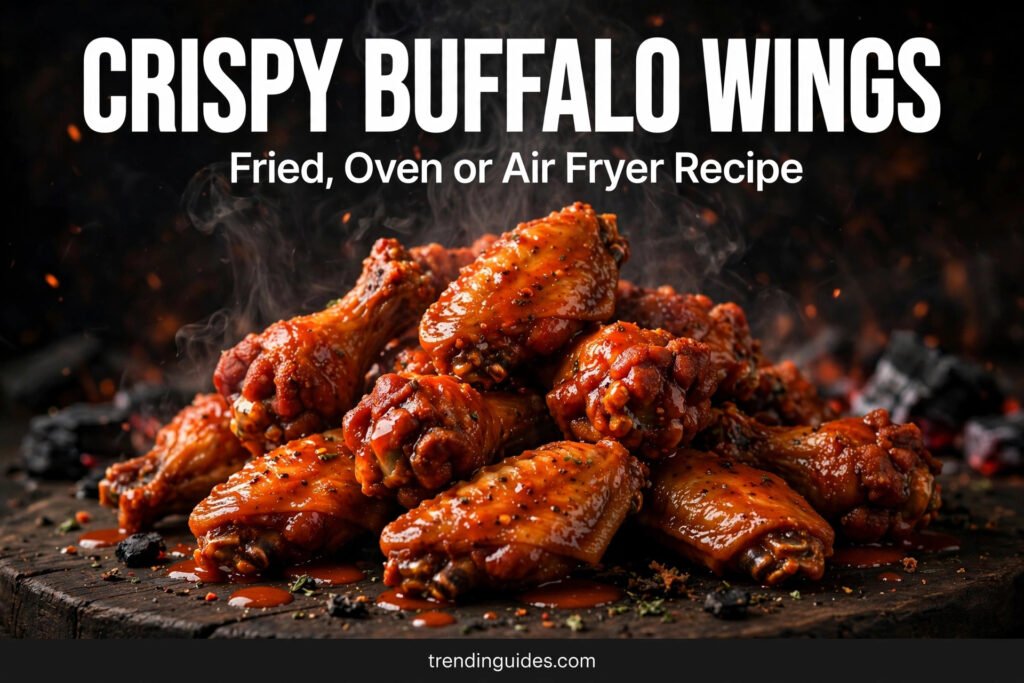

Buffalo wings are chicken wings fried until crisp and tossed in a tangy sauce made from hot sauce and butter. They started at a small bar in Buffalo, New York, and now sit at the center of game day tables across the world. A great wing has three things: skin that shatters when you bite it, juicy meat inside, and a sauce that clings to every nook. Homemade wings often come out soggy, bland, or greasy, and the sauce slides off onto the plate.
This buffalo wings recipe fixes those problems. The main method is a double fry. You coat the wings in potato starch and baking soda, dry them in the fridge, and fry them twice at two different temperatures. That process builds a thin, crackly crust that stays crisp even after you add sauce. If you do not want to handle hot oil, oven baked and air fryer options are below.
The guide also covers the classic sauce ratio, a dry rub option, dips like ranch and blue cheese, tips for crispy buffalo wings, variations such as boneless and cauliflower wings, a nutrition table, and storage advice. Start the chilling step the day before, because the wings need at least six hours in the fridge. First, a look at where these famous wings came from.
What Are Buffalo Wings?
Buffalo wings are fried chicken wings coated in a sauce of hot sauce and melted butter. The style comes from Buffalo, New York, and it follows a simple formula that cooks everywhere now copy.
Origin at the Anchor Bar
Buffalo wings began at the Anchor Bar in Buffalo, New York, in the 1960s. The bar’s owner, Teressa Bellissimo, is credited with creating the dish late one night to feed hungry regulars. She fried the wings unbreaded and tossed them in a hot sauce and butter mix. The bar served them with celery sticks and blue cheese dip. Some people dispute the exact story, but the Anchor Bar made the dish famous, and the style spread to bars across the United States and then to other countries.
Crispy Buffalo Wings Recipe (Double-Fried)
Ingredients
Equipment
Method
- Coat the wings. In a large bowl, whisk the potato starch, baking soda, and salt until combined. Add the wings and toss, pressing the mixture into them so each wing is fully and evenly coated.
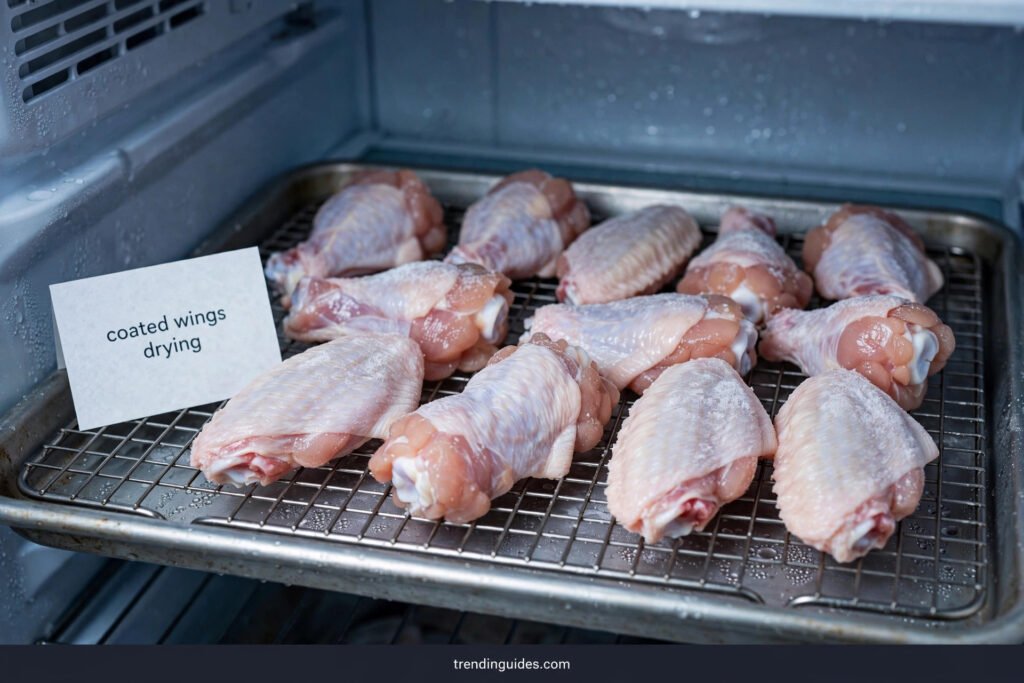
- Dry in the fridge. Place the wings on a wire rack set over a baking sheet, making sure none are touching so air can circulate. Refrigerate for 6 to 24 hours, until the skin feels very dry.
- Make the ranch. Mix the mayonnaise, sour cream, buttermilk, dill, chives, onion powder, garlic, salt, and pepper. Add a splash of water to thin it. Cover and refrigerate.
- Make the blue cheese dip. Mix the sour cream, mayonnaise, buttermilk, garlic, and salt. Crumble in the blue cheese, mashing some against the side of the bowl with a fork or your fingers. The dip should be creamy with pops of cheese, not all the chunks sunk to the bottom. Cover and refrigerate.
- Heat the oil. Heat the oil in a heavy-bottomed pot to 300–320°F (150–160°C). Monitor it with an instant-read thermometer throughout.
- First fry (cooking stage). Fry the wings in batches of about 6, leaving visible space between them. Stir right after adding them so they don’t stick, and keep moving them. Adjust the heat to hold 300–320°F. Fry for about 6 minutes, until cooked through but not browned. Drain on a rack or plate, keeping drums and flats separate. Repeat with the remaining wings.
- Make the Buffalo sauce. In a saucepan over medium or medium-low heat, whisk the Frank’s RedHot, butter, honey, paprika, cayenne, and garlic powder until melted into one smooth sauce. If it splits, whisk hard for 15 to 20 seconds to bring it back together. Set aside.
- Make the dry rub (optional). Whisk all dry rub ingredients together if you prefer a dry coating.
- Second fry (crisping stage). Raise the oil to 375–400°F (190–205°C). Fry all the wings at once, moving them around so they don’t stick together. Pull them when they are golden brown and crisp, and you hear the first crunch. Color matters more than exact timing.
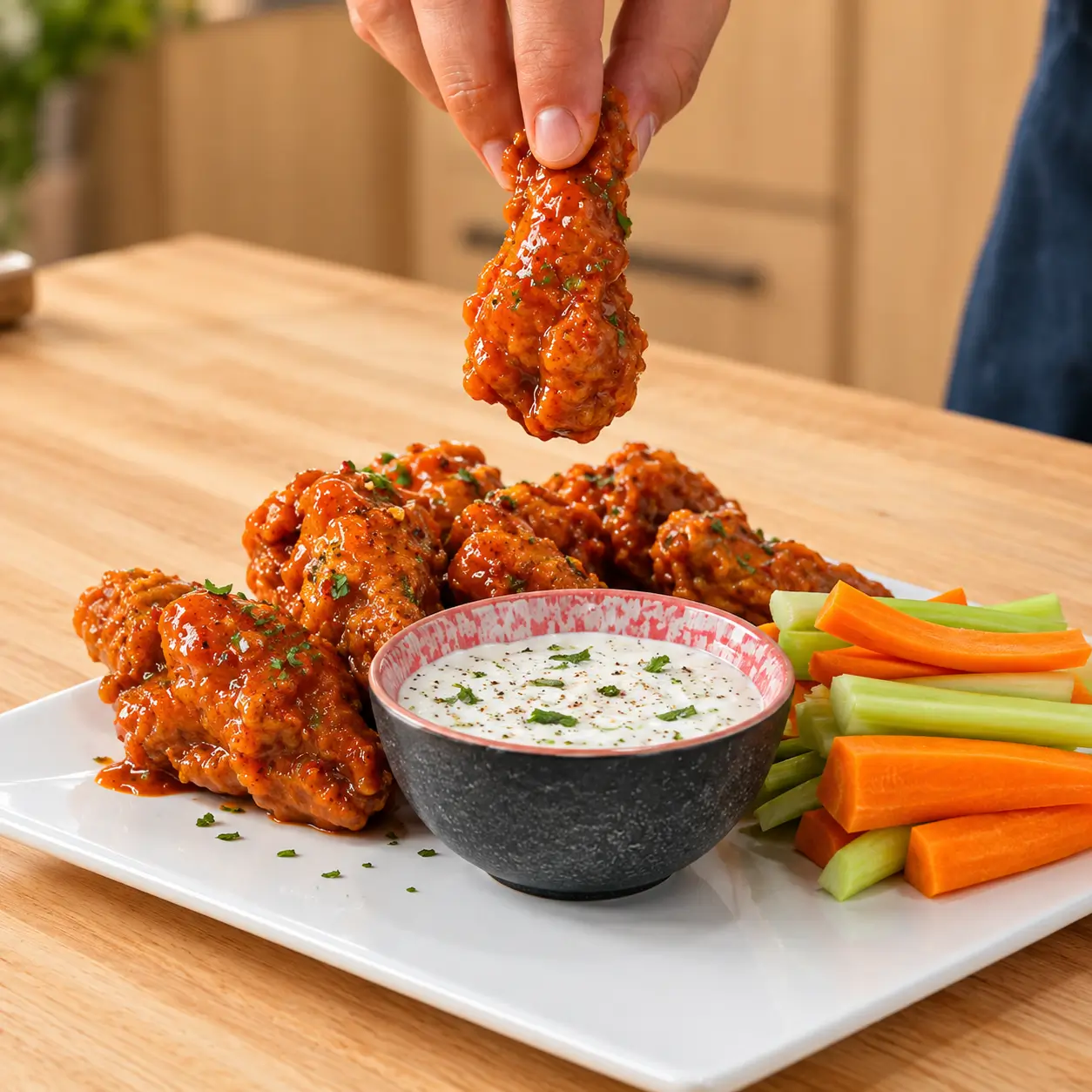
- Sauce and serve. Toss the hot wings in the Buffalo sauce (or the dry rub). Serve right away with ranch, blue cheese dip, celery, and carrot sticks.
Notes
- Oil temperature: Adding cold wings drops the oil temperature quickly, so adjust the heat as you go.
- Spacing: Visible space between wings prevents steaming and keeps them crisp.
- Dipping: Can’t choose between ranch and blue cheese? Mix the two together for dipping.
- Veggies: Celery and carrots cool the heat and add contrast in temperature and texture.
- Heat level: For hotter wings, add more cayenne. For milder wings, add more butter and honey.
- Dry rub: Use it instead of the sauce if you prefer a drier, non-saucy wing.
Why They Are Called Buffalo Wings
The name comes from the city of Buffalo, not from the animal. Buffalo wings are a style of cooking, not a special cut of meat. Any chicken wing becomes a Buffalo wing once you cook it and toss it in the sauce. Regular hot wings can use any spicy sauce, such as sriracha or chili garlic sauce. Buffalo sauce tastes tangy and rich because it blends a vinegar based hot sauce with butter. The celery and cool dip served alongside balance the heat.
Buffalo Wings Ingredients
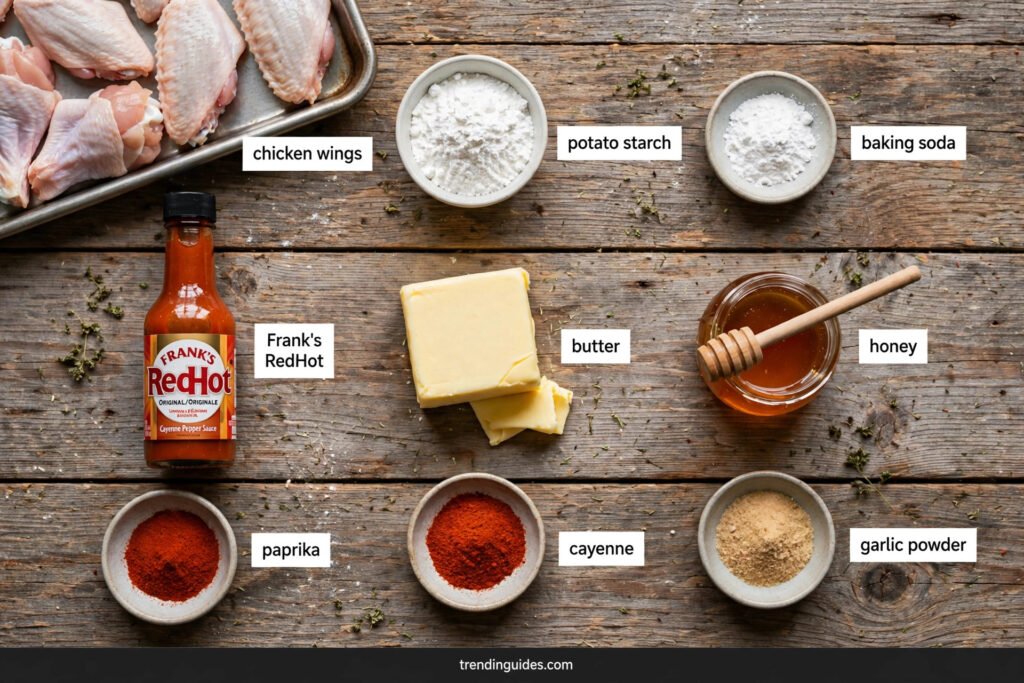
The core ingredients are chicken wings, hot sauce, and butter. This recipe adds a crisp coating, a little honey, and a few spices for better flavor and texture. Exact amounts are on the recipe card.
Wings and the Crisping Coating
Buy whole wings and split them into drumettes and flats, or choose wings that are already split to save time. Three pounds of wings feeds four people. Fresh wings or fully thawed wings work best for frying. Pat them dry before you start, because water blocks crisp skin. The coating uses potato starch, baking soda, and salt. Potato starch dries the skin and builds a thin crust. Baking soda helps the skin brown and turn crisp. Use only a small amount, because too much leaves a soapy taste. Salt seasons the meat from the outside. This mix replaces flour, so the wings stay light and do not turn bready.
Buffalo Sauce Ingredients
The sauce needs Frank’s RedHot, butter, honey, paprika, cayenne pepper, and garlic powder. Frank’s RedHot gives the tangy, peppery base that people expect from Buffalo wings. Butter softens the heat and gives the sauce a smooth, rich body. A small amount of honey balances the spice and rounds out the vinegar taste. Paprika adds color and mild smokiness. Cayenne pepper raises the heat, so you can adjust it to your taste. Garlic powder adds a savory note without extra moisture.
Dips and Sides
The two classic dips are ranch and blue cheese, and both are easy to make at home. Ranch uses mayonnaise, sour cream, buttermilk, fresh dill, fresh chives, garlic, and onion powder. Blue cheese dip uses sour cream, mayonnaise, buttermilk, garlic, and crumbled blue cheese. Celery sticks and carrot sticks add crunch and cool the heat. Fresh herbs make homemade ranch taste far better than most store bought bottles.
How to Make Buffalo Wings (Original Fried Method)
To make Buffalo wings, coat the wings, chill them, fry them twice, and toss them in sauce. Each step has a purpose, and skipping one lowers the crunch.
Why Double Frying Makes Wings Crispier
Double frying gives you crisp skin and fully cooked meat at the same time. The first fry runs at 300 to 320°F and cooks the chicken through to 165°F without browning it. The wings then rest on a rack so extra oil drains off and surface moisture evaporates. The second fry runs at 375 to 400°F and builds the golden crust. Because the meat is already cooked, you only need to watch the color, which takes a few minutes. Single frying at one temperature often leaves the skin tough or the meat dry.
Oil Temperature and Frying Tips
Use a heavy bottomed pot, at least 3 inches of neutral oil such as peanut or canola, and an instant read thermometer to keep the oil steady. Never fill the pot more than halfway. Cold wings lower the oil temperature fast, so adjust the heat after each batch goes in. Fry about six wings at a time for the first stage and leave visible space between them. Stir right after the wings hit the oil so they do not stick to the bottom of the pot. Drain the wings on a rack and keep drums and flats separate, since flats cook slightly faster. For the second fry, work in two batches if your pot is small. Never leave hot oil unattended, and keep water away from the pot.
Quick Steps Overview
Here is the full process at a glance before you start the recipe card.
- Mix potato starch, baking soda, and salt, then coat the wings.
- Dry the wings on a rack in the fridge for 6 to 24 hours.
- Make the ranch, the blue cheese dip, and the Buffalo sauce.
- Fry in batches at 300 to 320°F for 10 to 12 minutes, until the wings reach 165°F. Drain on a rack.
- Fry again at 375 to 400°F for 3 to 5 minutes, until golden and crisp.
- Toss in sauce and serve right away.
[Insert recipe card here]
Buffalo Wings Sauce
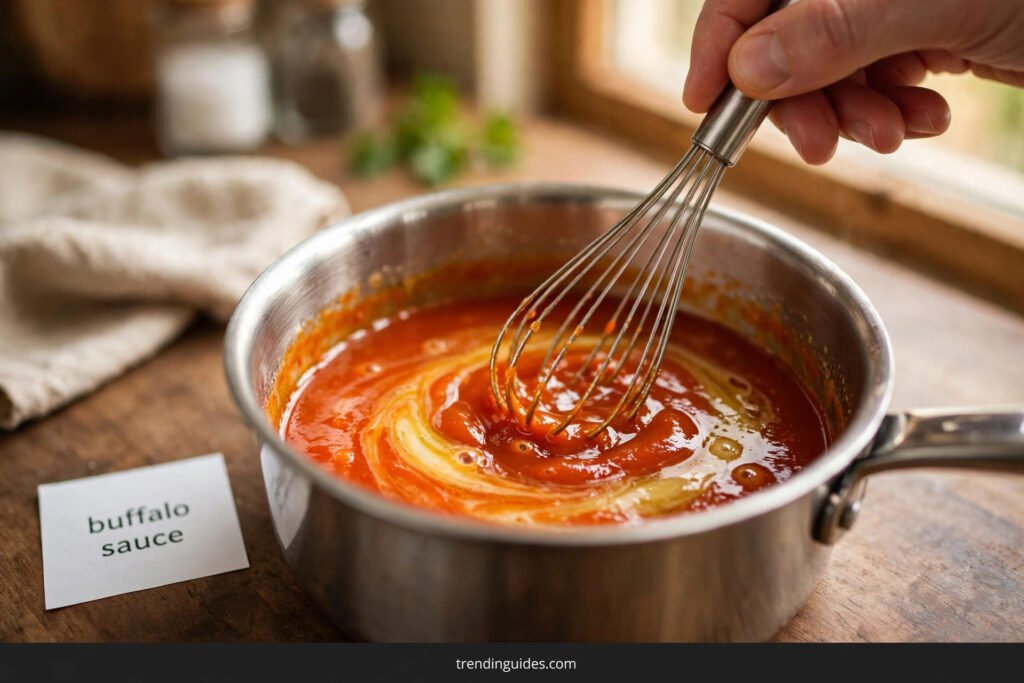
Classic Buffalo sauce is hot sauce melted with butter. The ratio, the heat level, and the way you whisk decide how smooth and glossy the sauce turns out.
Classic Buffalo Sauce Ratio and Heat Levels
This recipe uses one half cup of Frank’s RedHot to four tablespoons of butter, which is a two to one ratio by volume. That ratio gives medium heat with a rich, tangy taste. For milder wings, add more butter. For hotter wings, use less butter or add extra cayenne pepper. Honey, paprika, and garlic powder round out the flavor. Warm the sauce over medium or medium low heat and whisk until smooth. Toss the wings in the sauce while both are still hot so the coating sticks.
How to Fix a Split Sauce
Buffalo sauce can split, which means the butter separates from the hot sauce and looks oily. The fix is simple. Whisk the sauce hard for 15 to 20 seconds until it comes back together. Keep the heat at medium or medium low, because high heat makes splitting more likely. Pull the pan off the burner if the sauce starts to bubble hard. A small whisk blends the fat and the vinegar faster than a spoon does.
Buffalo Dry Rub Option
A Buffalo dry rub gives you the same flavor without a wet sauce. Mix onion powder, garlic powder, brown sugar, nutritional yeast, cayenne pepper, dry mustard, buttermilk powder, and paprika. Buttermilk powder adds the tangy taste that normally comes from vinegar. Nutritional yeast adds a savory, cheesy depth. Toss the hot wings in the rub right after the second fry. The rub suits people who like drier wings or want the skin extra crisp. You can also serve the rub wings with a small bowl of sauce on the side.
Frank’s RedHot vs Other Hot Sauces
Frank’s RedHot is the most common choice for classic Buffalo wings because it has a tangy, vinegar forward taste. Louisiana style hot sauces, such as Crystal and Louisiana Gold, also work and taste a little thinner. Some cooks add a small amount of Tabasco for extra heat. Check the label, because some hot sauces are much saltier than others. A saltier sauce may need less added salt in the coating. Taste the sauce before you toss the wings, and keep the butter and hot sauce ratio the same when you switch brands.
Other Ways to Make Buffalo Wings
You can make Buffalo wings in the oven, in an air fryer, or on a grill. These methods use less oil than deep frying and take less cleanup. They use baking powder for crisp skin, not baking soda, at about one teaspoon per pound of wings.
Oven Baked Buffalo Wings
Oven baked Buffalo wings need a wire rack, high heat, and dry skin. Pat the wings dry, then toss them with baking powder, salt, and garlic powder. Place the wings on a wire rack set over a foil lined baking sheet. Bake at 450°F for about 25 minutes, flip them, and bake another 25 minutes until crisp. The rack lets hot air reach the whole wing, so the bottoms do not get soggy. While the wings bake, melt butter with hot sauce and a little honey. Toss the cooked wings in the sauce right before serving.
Air Fryer Buffalo Wings
Air fryer buffalo wings cook fast and get very crisp with little oil. Dry the wings and toss them with baking powder, salt, and pepper. Set the air fryer to 390 to 400°F and cook the wings in a single layer. Flip them halfway and cook for 20 to 30 minutes in total, until the skin is golden and the inside reaches 165°F. Cook in batches if your basket is small, because crowded wings steam instead of crisp. Skip air fryer liners, since they block airflow and slow browning. Toss the hot wings in warm Buffalo sauce as soon as they come out.
Grilled Buffalo Wings
Grilled Buffalo wings take on a smoky flavor that fried wings do not have. Set up the grill for indirect heat at about 400°F and place the wings away from the flames. Turn them every 10 minutes for 35 to 45 minutes until they reach 165°F inside. Move them over direct heat for two to three minutes at the end to crisp the skin. Watch closely during this step, because the fat can flare up. Toss the wings in warm sauce after they come off the grill, and rely on a thermometer, since grill times vary.
Fried vs Oven vs Air Fryer: Comparison
The fried method gives the crispiest wings, while the oven and air fryer give you easier cleanup. Use the table to pick the method that fits your day.
| Method | Temperature | Cook Time | Crispness | Mess | Best For |
|---|---|---|---|---|---|
| Fried (double fry) | 300 to 320°F, then 375 to 400°F | About 45 minutes, plus 6 to 24 hours chilling | Crispiest | High | Authentic, restaurant style wings |
| Oven baked | 450°F | About 50 minutes | Crisp | Low | Large batches and parties |
| Air fryer | 390 to 400°F | 20 to 30 minutes | Very crisp | Low | Quick small batches |
Buffalo Wings Variations
Once you know the base method, you can change the cut of chicken or the sauce. These variations use the same ideas: dry coating, hot cooking, and a sauce that clings.
Boneless Buffalo Wings
Boneless wings are not real wings. They are bite size pieces of chicken breast or chicken thigh. Cut the chicken into pieces about 1.5 inches wide. Coat them in seasoned flour or potato starch, then fry at 350°F for 4 to 6 minutes until golden and 165°F inside. You can also bake or air fry them. Toss the pieces in Buffalo sauce right before serving. They cook faster than bone in wings and are easier to eat with a fork.
Cauliflower Buffalo Wings
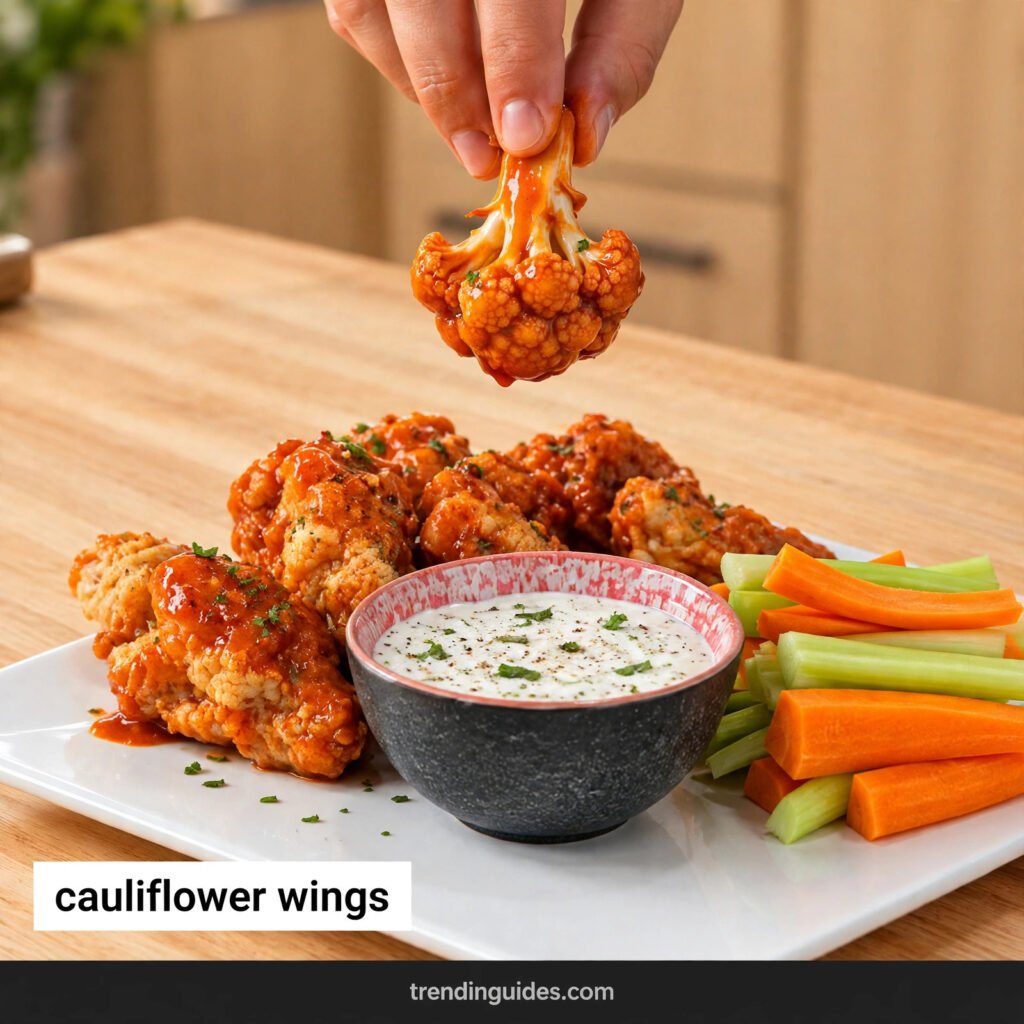
Cauliflower Buffalo wings are a popular vegetarian option. Cut a head of cauliflower into bite size florets. Coat them in a light batter of flour, water, and spices, or toss them in seasoned oil. Roast the florets at 425 to 450°F for 20 to 25 minutes until golden at the edges. Toss them in Buffalo sauce, using oil or vegan butter instead of butter if you want a vegan dish. Return them to the oven for five more minutes so the sauce sets. Serve them with ranch or a dairy free dip.
Garlic Parmesan Wings
Garlic Parmesan wings skip the heat and focus on rich, savory flavor. Melt butter with fresh minced garlic over low heat. Stir in grated Parmesan cheese, a pinch of salt, and chopped parsley. Toss freshly cooked wings in the sauce until coated. Fry, bake, or air fry the wings using any method in this guide. Serve them with ranch and a squeeze of lemon. They make a milder alternative to Buffalo for guests who avoid spice.
Tips for Crispy Buffalo Wings
Crispy wings come from dry skin, steady heat, and fast serving. Most soggy wing problems trace back to moisture or crowding.
Dry the Wings Well
Moisture is the main enemy of crisp skin. Pat the wings dry with paper towels before you add the coating. After coating, place them on a wire rack so air can circulate on all sides. Chill them uncovered in the fridge for 6 to 24 hours. The cold, dry air pulls water from the skin, and a longer rest gives a thinner, crunchier crust. Never stack the wings on a plate, because the bottoms will get wet.
Control Oil Temperature and Spacing
Steady oil temperature keeps wings from turning greasy. If the oil is too cool, the wings soak it up. If the oil is too hot, the skin burns before the meat cooks. Use a thermometer and let the oil return to temperature between batches. Give the wings space so they do not touch while they fry, because crowded wings steam and lose crunch. Keep batches small in the first stage, when the wings are raw and release the most moisture.
Why Wings Go Soggy and How to Fix It
Wings turn soggy when the skin holds water or when they sit in sauce too long. Wet skin, crowded pans, and low heat are the usual causes. Sauce adds moisture, so toss the wings just before serving and use only enough to coat them. If wings soften, return them to a 450°F oven or an air fryer for a few minutes. Use baking soda in the fried recipe and baking powder in the oven or air fryer methods. Do not swap the two, because baking soda in a baked recipe can leave a bitter taste.
Serve Right Away
Hot, freshly sauced wings taste best in the first ten minutes, because the crust slowly softens as the sauce sinks in. Have dips and vegetables ready before you toss the wings. If you cook for a crowd, hold finished wings on a rack in a 200°F oven before saucing, then sauce them in small batches. Serve extra sauce on the side for guests who like more.
Buffalo Wings Nutrition Facts
One serving of these fried Buffalo wings has about 600 calories. The values below are estimates for about eight wing pieces with Buffalo sauce, without dips, based on a recipe that serves four.
| Nutrient | Amount per Serving | % Daily Value |
|---|---|---|
| Calories | 600 | |
| Total fat | 45 g | 58% |
| Saturated fat | 16 g | 80% |
| Cholesterol | 200 mg | 67% |
| Sodium | 1,400 mg | 61% |
| Total carbohydrate | 12 g | 4% |
| Dietary fiber | 0 g | 0% |
| Total sugars | 4 g | |
| Protein | 35 g | 70% |
How to Read and Lower the Numbers
These numbers are estimates based on typical USDA FoodData Central values for chicken wings, butter, honey, and hot sauce. Brands, wing size, and oil absorption change the totals. Most calories come from the chicken skin, the frying oil, and the butter in the sauce. Sodium comes mainly from the hot sauce and the salt in the coating. To lower calories, bake or air fry the wings and use less butter. To lower sodium, use a reduced sodium hot sauce and cut the salt in the coating. Dips such as ranch and blue cheese add calories, so measure them separately. This information does not replace advice from a doctor or dietitian.
What to Serve with Buffalo Wings
Serve Buffalo wings with something cool, something crunchy, and something filling. Good sides make the heat easier to enjoy and turn wings into a full meal.
Dips
Ranch tastes herby and mild, while blue cheese tastes sharp and creamy. If you cannot pick, mix them for one bowl of tangy, creamy dip. Make the dips a day ahead, because the flavor improves after resting in the fridge. Thin a thick dip with a splash of buttermilk or water, and keep it cold until serving.
Sides
Celery sticks and carrot sticks are the traditional sides. Other good choices include french fries, coleslaw, cornbread, potato wedges, and mac and cheese. A simple green salad, pickles, or cucumber slices add freshness to a heavy meal. Choose one starchy side and one fresh side for balance.
How Many Wings Per Person
Plan on six to eight wing pieces per person for an appetizer. Plan on eight to twelve pieces per person for a main meal. A drumette and a flat count as two pieces. Three pounds of wings gives about 32 pieces, which feeds four people as a main dish. Add a few extra if the group includes big eaters, and cook in batches if the crowd is large.
Storage, Reheating, and Make Ahead Tips
Store leftover wings in the fridge for three to four days and reheat them in a hot oven or air fryer. Skip the microwave if you want crisp skin.
Refrigerating and Reheating
Cool the wings, then place them in an airtight container within two hours of cooking. Keep the sauce on the side if you can. Reheat the wings in a 400°F oven or in an air fryer for 8 to 12 minutes, until they reach 165°F. Microwaving makes the skin soft and rubbery. Toss the wings in fresh warm sauce after reheating.
Freezing and Using Frozen Wings
You can freeze cooked wings for up to three months. Freeze them in a single layer on a tray first, then move them to a freezer bag. Reheat from frozen in a 400°F oven or air fryer until hot and crisp. Raw frozen wings can go straight into an air fryer with extra cook time. For the fried method, fully thaw the wings and dry them well, because ice and hot oil cause dangerous splatter. Always check for 165°F inside.
Making the Recipe Ahead
The fried recipe already builds in a make ahead step, since the coated wings rest in the fridge for 6 to 24 hours before frying. You can also make the ranch and blue cheese dip a day ahead. Store the Buffalo sauce in the fridge for up to four days, then warm it gently and whisk it smooth before using. Fry the wings and toss them in sauce close to serving time for the best crunch.
Buffalo Wings FAQs
What Are the Ingredients of Buffalo Wings?
Buffalo wings need chicken wings, hot sauce, and butter. Most recipes add salt, and some add honey, vinegar, garlic powder, or paprika. Cooks serve them with celery sticks and blue cheese or ranch dip.
What Is the Best Way to Make Buffalo Wings?
Double frying gives the crispiest result. Coat the wings, dry them in the fridge, fry at 300 to 320°F, then fry again at 375 to 400°F. Tossing them in sauce right before serving keeps the crust crisp. The air fryer is the best easy alternative.
How Are Buffalo Wings Made?
Cooks fry, bake, or air fry chicken wings until crisp. They melt hot sauce with butter and toss the hot wings in it. The sauce is what turns plain wings into Buffalo wings.
What Is the Original Recipe for Buffalo Wings?
The original recipe uses unbreaded chicken wings, deep fried and tossed in a hot sauce and butter mix. The Anchor Bar served them with celery sticks and blue cheese dip in the 1960s. This recipe adds a starch coating and a double fry for extra crunch, which the original did not use.
Are Baked Wings as Crispy as Fried Wings?
Baked wings can come close, but fried wings stay crispier. Baking powder, a wire rack, and 450°F heat help the skin crisp in the oven. The air fryer gets closer to fried wings than a regular oven.
Can I Make Buffalo Wings Without Frank’s RedHot?
Yes. Any vinegar based cayenne hot sauce works, such as Crystal or Louisiana Gold. Keep the butter and hot sauce ratio the same, and taste the sauce first, because brands differ in saltiness and heat.
Conclusion
Buffalo wings are easy to make at home when you follow a few key steps. Dry the wings well, coat them with potato starch and baking soda, and chill them for at least six hours. Fry them twice, first at 300 to 320°F and then at 375 to 400°F, for the crispiest skin. Toss them in a sauce of Frank’s RedHot, butter, and honey right before serving. If you prefer less oil, the oven and air fryer methods work well with baking powder. Pair the wings with ranch, blue cheese dip, celery, and carrots for the classic experience.
Now it is your turn. Pick a method, make the sauce, and invite friends over for the next game. Tell us in the comments which method you tried and how hot you made the sauce.